Good Eaters Are Made, Not Born
Building healthy eating habits is far easier in babyhood than fixing them later. Once a child’s food preferences harden, change becomes a struggle. So the early months are a golden opportunity.
Mealtime is about more than holding a spoon. It is about teaching your baby to love new flavors and textures. A love of new foods is learned, not inborn. That is exactly why preventing picky eating works best when you start with the very first bites.
Why the First Two Years Matter
The early feeding window is special. At the start of complementary feeding, your baby’s brain and gut are still developing, and food experiences help shape lifelong preferences.
This is when children are most open to new tastes. Research shows that exposure to a variety of vegetables early in life increases acceptance of new foods, and the effects can last for years. So the more variety you offer before age two, the better.
1. Offer a Wide Variety of Flavors and Textures
Aim to introduce as many flavors and textures as you can in the first two years. Do not rely only on smooth purees.
Add soft, easy-to-grip pieces too, such as steamed sweet potato, ripe avocado, or steamed zucchini. The science is clear here. Repeatedly offering a variety of vegetables increases how much babies accept and enjoy them. Rotating foods often keeps your baby curious and open.
2. Loosen the Rules About “Kid Food”
Try not to draw a hard line between baby food and family food. Instead of ordering from a limited kids’ menu, offer small portions from your own plate, as long as it is not too spicy, salty, or sugary.
You can also relax the rules about timing now and then. Soup as a snack or vegetables at breakfast are perfectly fine. Young children have no fixed idea of what belongs at each meal, so use that flexibility. And if you offer a sweet treat, serve it alongside the meal rather than as a reward, so it does not become a prize.
3. Explore Without Pressure
Helping a baby discover new flavors takes patience. A grimace at broccoli does not mean they hate it. It is often just surprise at something new.
So never force a bite or insist they swallow. Letting your baby spit food out lowers the pressure and makes them braver to try again. Remember, acceptance often takes many tries, so keep calmly offering.
4. Let Them Get Messy
Babies learn about food with all their senses, including touch. Squishing, smearing, and grabbing are part of how they understand texture.
So resist the urge to wipe their face after every bite or to stop the mess. A little chaos at the table is valuable learning. Babies are wired to explore with their hands and mouths, and messy meals are part of that journey.
5. Make Vegetables and Fruit a Priority
The key to vegetable lovers is simple repetition. Keep offering produce at every chance, even just a little.
Try serving vegetables first, when your baby is hungriest, or as a pre-meal snack. The more familiar a food becomes, the more likely your child is to enjoy it. For fresh, family-friendly produce ideas, browse our healthy food section. A varied, nutritious diet also supports healthy growth and helps protect against problems like stunting.
6. Keep Mealtimes Positive
The mood at the table matters as much as the menu. Stress and anxiety are powerful appetite suppressants for children.
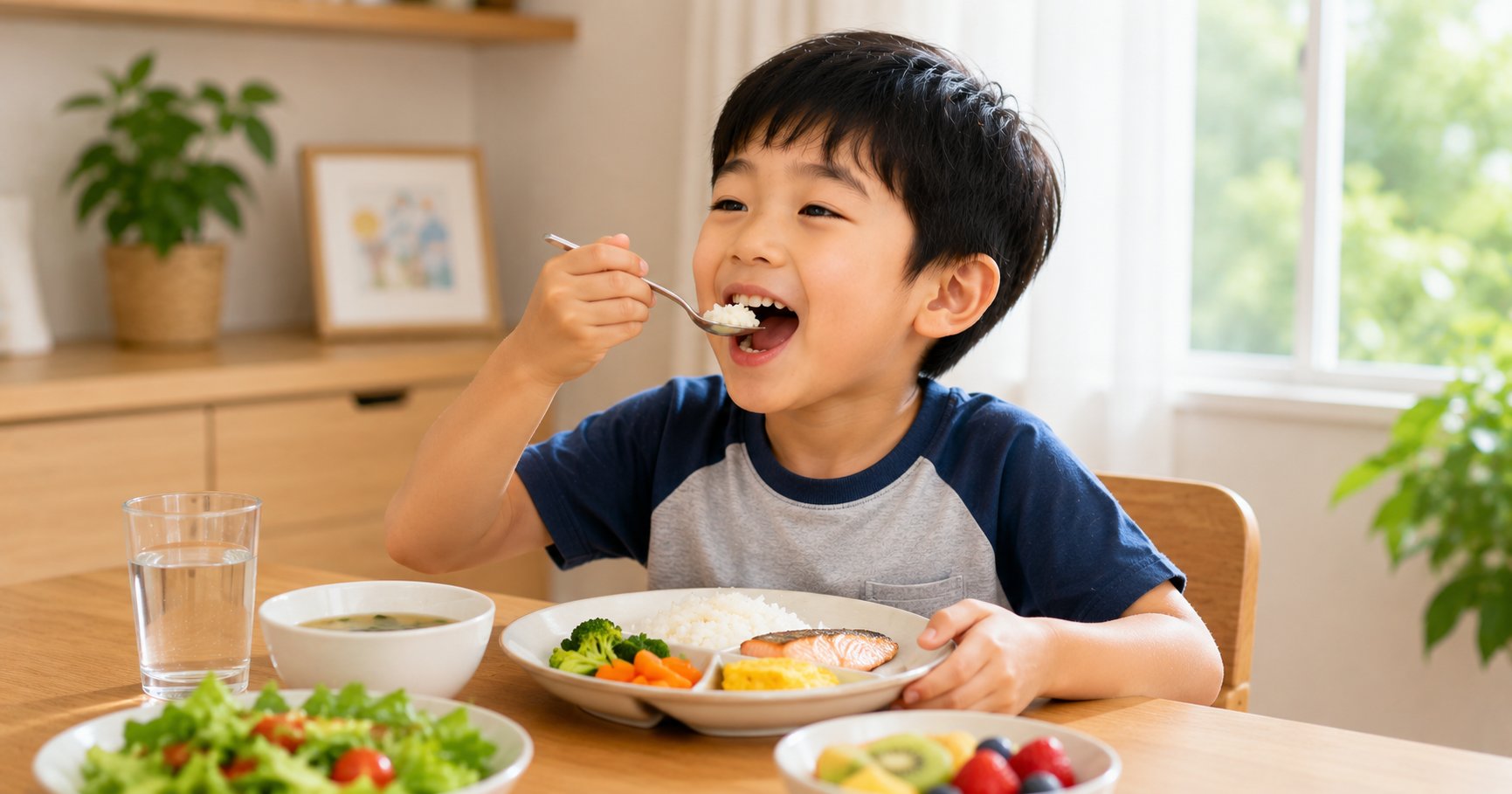
So make meals about connection, not control. Family meals should be about togetherness, talking, and bonding, not counting how many bites your child takes. A calm, happy table encourages a curious eater.
A Quick Safety Note
As you expand variety, keep safety in mind. Avoid honey before age one, skip added salt and sugar, and steer clear of choking hazards like whole nuts, grapes, or hard chunks. Always supervise your baby while they eat.
When to Seek Help
Some pickiness is a normal phase. But certain signs are worth a professional check.
Talk to your pediatrician if your child eats an extremely limited diet, refuses entire food groups, struggles to gain weight, or gags and chokes often. These can point to more than ordinary fussiness.
Frequently Asked Questions
Can you really prevent picky eating? You cannot guarantee it, but you can lower the odds. Early variety, repeated exposure, and pressure-free meals all help raise a more adventurous eater.
How many times should I offer a new food? Often many times. It can take numerous tries before a baby accepts a new flavor, so keep offering calmly without forcing.
Should babies eat the same food as the family? Often yes, in safe forms. Offering small portions of family meals, minus spicy, salty, or sugary parts, exposes babies to more variety.
What if my baby makes a face or spits food out? That is normal exploration, not rejection. Letting them spit it out reduces pressure and encourages them to try again later.
The Bottom Line
Preventing picky eating starts long before the toddler years. The first two years are a powerful window to teach your baby to love a wide range of foods.
Offer variety, repeat often, allow mess, and keep mealtimes calm and pressure-free. Just like learning to read, children can learn to eat well, one curious bite at a time.