A Common Cancer We Can Actually Prevent
Cervical cancer is one of the most common cancers affecting women, and in Indonesia, the situation is especially serious. It is the second most common cancer among Indonesian women, claiming thousands of lives every year.
Those facts sound grim, but there is a genuinely hopeful side to this story. Cervical cancer is one of the most preventable cancers of all. That is because we know its main cause, a common virus called HPV, and we have powerful tools to stop it before it ever becomes cancer. Understanding HPV and cervical cancer is the first step to protecting yourself and the women you love. Here is what every woman should know.
What Is HPV?
To understand cervical cancer, you first need to understand HPV. It is far more common than most people realize.
HPV, or human papillomavirus, is a very common virus spread mainly through intimate skin-to-skin contact. In fact, most sexually active people will be exposed to it at some point in their lives. This is important to say clearly, because there should be no shame attached to it. HPV is simply extremely common. The good news is that in the vast majority of cases, the body’s immune system clears the infection on its own within a couple of years, causing no harm at all.
How HPV Leads to Cervical Cancer
So if HPV usually clears up, how does it cause cancer? The answer lies in the small number of infections that do not go away.
Sometimes, an infection with a high-risk type of HPV, especially types 16 and 18, persists for many years. Over time, this lingering infection can cause changes in the cells of the cervix. If those abnormal cells are not detected and treated, they can slowly develop into cervical cancer. This link is remarkably strong. According to the World Health Organization, almost all cervical cancer cases, around 99 percent, are linked with HPV infection. The same virus can also cause several other cancers.
HPV Causes More Than Cervical Cancer
While cervical cancer is the focus here, it is worth knowing that HPV does not stop at the cervix. The same virus is linked to several other cancers.
Persistent high-risk HPV infection can also lead to cancers of the throat, anus, vagina, vulva, and penis. This is an important point, because it explains why the HPV vaccine matters for boys as well as girls. Vaccinating both protects everyone from a range of HPV-related cancers, and it also helps reduce the spread of the virus throughout the community. In other words, HPV prevention is genuinely a family and community effort, not only a women’s issue.
Why This Matters So Much in Indonesia
This is not a distant problem. For Indonesian women, cervical cancer is one of the most pressing health threats of all.
The numbers tell the story. Cervical cancer is the second most common cancer among women in Indonesia, with about 36,000 new cases and 21,000 deaths every year. Tragically, around 70 percent of cases are found only at an advanced stage, when treatment is far less effective. Yet this disease is preventable and curable when caught early. That gap, between how preventable it is and how many lives it still takes, is both the tragedy and the opportunity.
The Good News, Cervical Cancer Is Highly Preventable
Here is what makes cervical cancer different from most other cancers. Because we know exactly what causes it, we can stop it. There are two powerful tools to do so.
In fact, experts believe cervical cancer could become the first cancer ever to be eliminated. The World Health Organization has a global strategy to make this happen, and Indonesia has launched its own national plan to eliminate cervical cancer. Both rest on the same two pillars, vaccination and screening. Let us look at each.
Tool 1, The HPV Vaccine
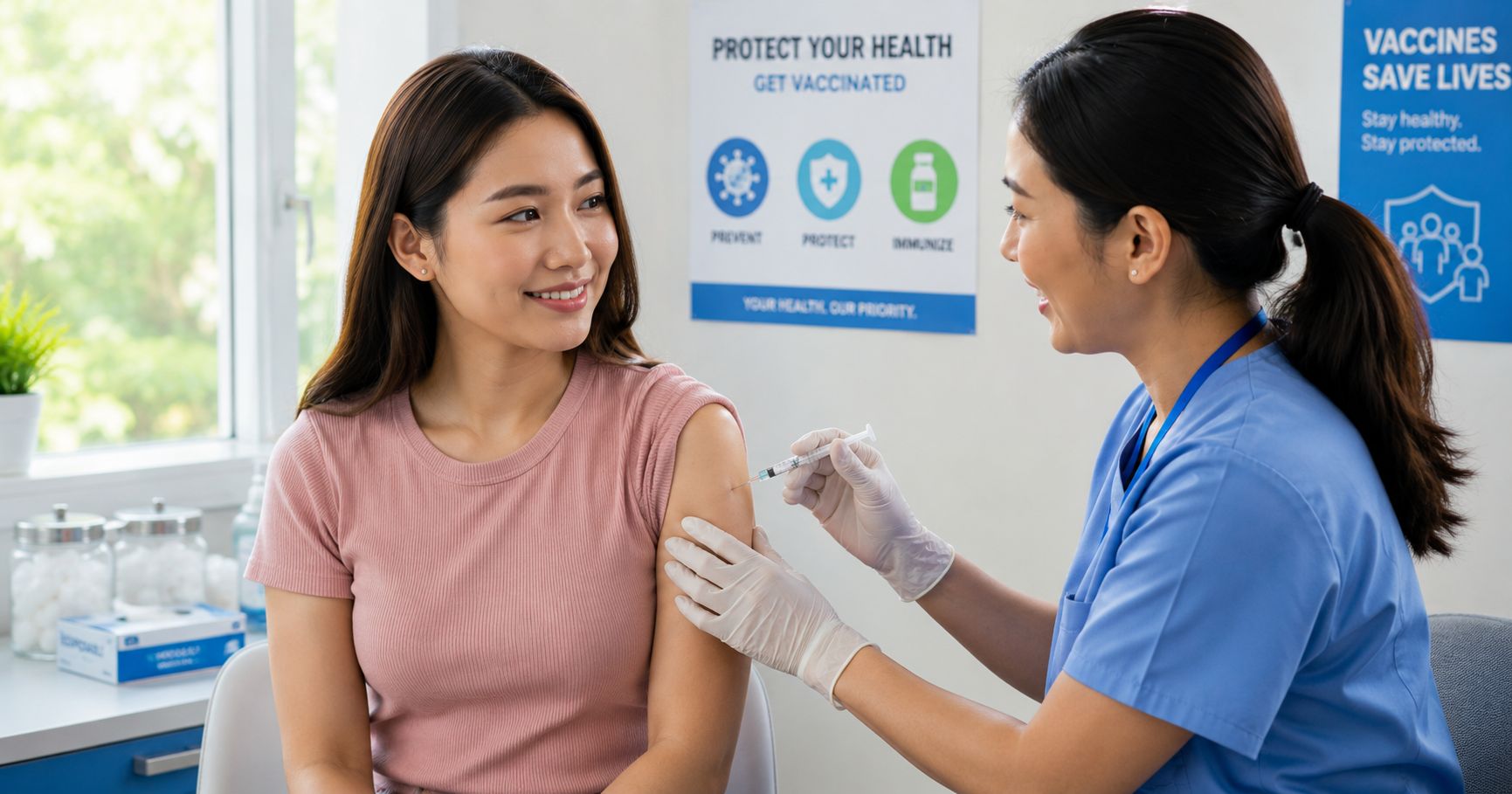
The HPV vaccine is a true breakthrough. It protects against the high-risk HPV types responsible for most cervical cancers, stopping the disease before an infection can ever take hold.
The vaccine works best when given before any exposure to the virus, which is why it is recommended for pre-teens and teenagers, ideally around ages 9 to 14, before they become sexually active. It can also be given to young adults up to age 26, and in some cases beyond. Encouragingly, Indonesia now offers the HPV vaccine for free to school-age girls as part of its national immunization program. The vaccine is safe, highly effective, and protects both girls and boys from HPV-related cancers. If you have eligible children, vaccinating them is one of the most powerful gifts of protection you can give.
Tool 2, Cervical Screening
The second tool catches any problems early, even in women already exposed to HPV. This is the role of cervical screening.
Screening tests, including the Pap smear and the HPV DNA test, look for abnormal cell changes or high-risk HPV in the cervix. The crucial advantage is that they detect pre-cancerous changes before they ever become cancer, so those changes can be treated early and simply. The HPV DNA test is now the preferred method in many places, including Indonesia, because it is more sensitive. Screening is generally recommended for women from around age 30, repeated every few years. One vital point deserves emphasis. Even women who have had the HPV vaccine still need regular screening, since the vaccine does not cover every cancer-causing type.
Know the Symptoms
Part of what makes cervical cancer dangerous is that early on, it usually causes no symptoms at all. This is exactly why screening, which finds problems before symptoms appear, is so important.
When symptoms do develop in later stages, they may include:
- Abnormal vaginal bleeding, such as between periods, after sex, or after menopause
- Unusual vaginal discharge
- Pelvic pain or pain during sex
These symptoms are far more often caused by other, less serious conditions. But if you notice any of them, it is important to see a doctor to be sure.
What You Can Do Today
The most empowering part of this topic is how much is within your control. You can take real, concrete steps to protect yourself and your family.
Here is where to start:
- Ensure eligible children and young adults receive the HPV vaccine.
- Go for regular cervical screening as recommended for your age.
- Do not smoke, since smoking raises the risk of cervical cancer.
- Know the warning signs and see a doctor about any concerns.
- Share this information, because awareness saves lives.
Supporting your overall health helps too. Staying active, as we discuss in our guide on strength training and why it matters, and eating well, with ideas from our healthy food section, keep your body and immune system strong.
A Message of Hope
It is worth stepping back to appreciate how remarkable this moment is. Cervical cancer is one of the very few cancers that humanity could nearly wipe out.
By vaccinating the next generation and screening women regularly, Indonesia and countries around the world are working toward exactly that goal. Every vaccine given and every screening attended brings us closer. This is not a disease we have to accept. With knowledge and action, it is one we can defeat, and you can be part of that change.
Frequently Asked Questions
Does HPV always cause cervical cancer? No. HPV is very common, and most infections clear on their own without harm. Only a persistent infection with certain high-risk types can lead to cervical cancer over many years.
Who should get the HPV vaccine? It is recommended mainly for pre-teens and teenagers, ideally around ages 9 to 14, before exposure to the virus. It can also be given to young adults up to age 26, and sometimes beyond.
If I had the HPV vaccine, do I still need screening? Yes. The vaccine does not protect against every cancer-causing HPV type, so regular cervical screening remains essential even for vaccinated women.
What are the early signs of cervical cancer? Early cervical cancer usually causes no symptoms, which is why screening is so important. Later signs can include abnormal vaginal bleeding, unusual discharge, or pelvic pain.
Is cervical cancer curable? Yes, when caught early it is highly treatable and often curable. This is why detecting it through screening, before it advances, makes such a difference.
The Bottom Line
The link between HPV and cervical cancer is strong, but it carries a hopeful message. Because we know that a common virus causes nearly all cervical cancer, we have the tools to prevent it.
The HPV vaccine protects the next generation, and regular screening catches changes early, before they can ever become cancer. For Indonesian women in particular, where the burden is high but the disease is preventable, these two steps are life-saving. Get vaccinated, get screened, encourage the women and girls in your life to do the same, and help turn cervical cancer into a disease of the past.