More Than Just Building Muscle
For years, cardio ruled the fitness world. Running, cycling, and aerobics were seen as the heart of staying healthy. Lifting weights, by contrast, was often dismissed as something only bodybuilders did.
That view is changing fast. Strength training has moved to center stage, and for good reason. It turns out to be one of the most powerful things you can do for your long-term health, no matter your age or starting point. And it is not about getting bulky. This guide explains why strength training matters so much, and how to begin safely.
What Is Strength Training?
Strength training simply means working your muscles against some form of resistance. It is also called resistance training.
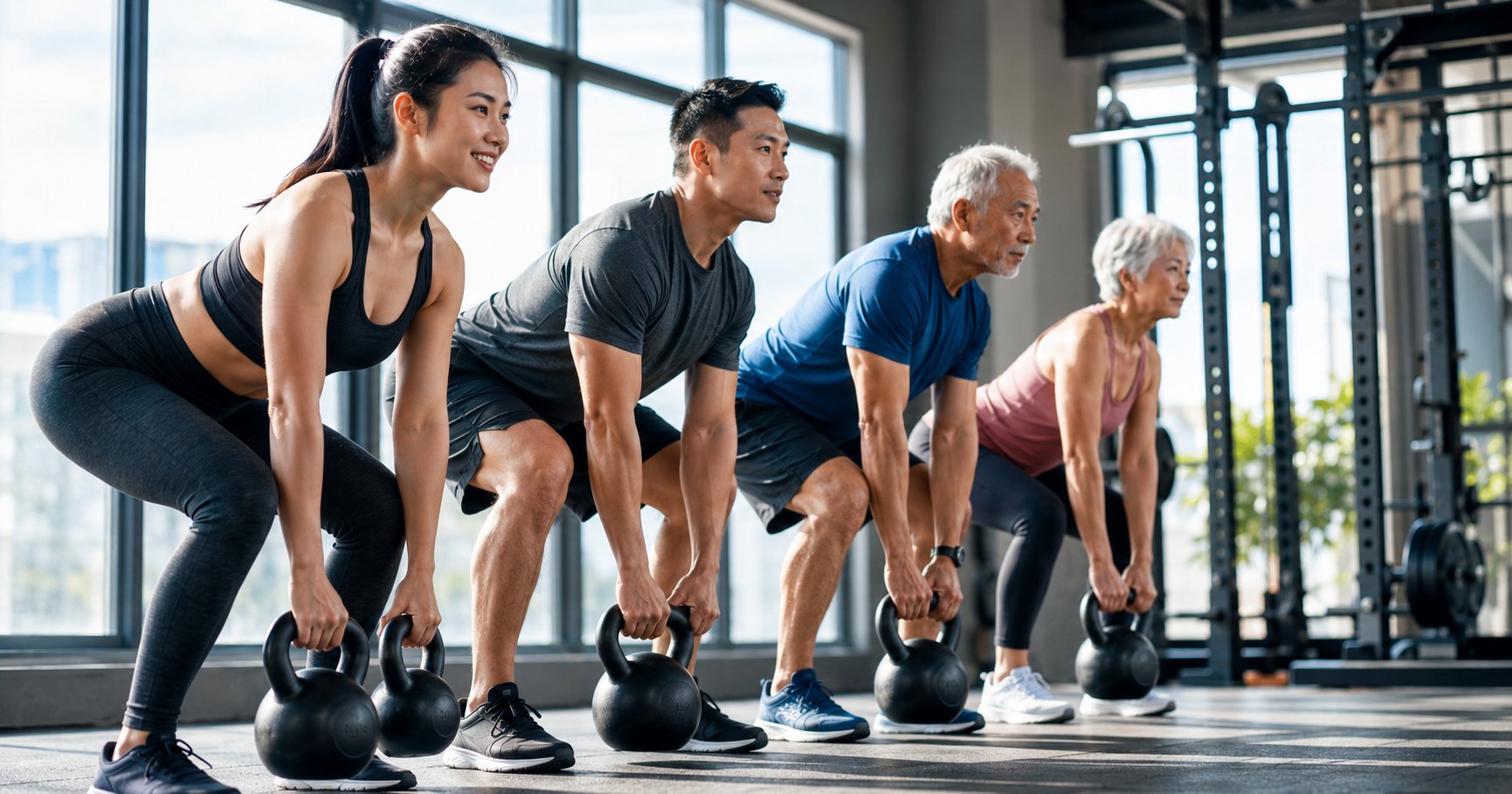
That resistance can come from many sources. It might be dumbbells, barbells, or machines at a gym. But it can also be resistance bands, or even just your own body weight in moves like squats and push-ups. The common thread is that you challenge your muscles, which prompts them to grow stronger over time. You do not need a fancy gym to begin.
Why Strength Training Is Having a Moment
There is a real shift happening in how people think about exercise. The focus is moving away from appearance and toward how we function and feel.
More and more, people want to stay capable, mobile, and independent as they age. This is sometimes called healthspan, the number of healthy years you live. Strength training fits this goal perfectly, because it builds the kind of strength that supports daily life. It is sustainable, practical, and useful at every stage of life.
The Science-Backed Benefits
The benefits of strength training go far beyond muscle. Research connects it to a wide range of health gains.
It builds and preserves muscle
Muscle is use-it-or-lose-it, especially as we age. After about 60, adults can lose roughly 1 percent of muscle mass and 2.5 to 3 percent of muscle strength each year. This decline, called sarcopenia, leads to weakness and frailty. Resistance training is the most effective way to slow and even reverse it.
It strengthens your bones
Your bones respond to stress by getting stronger. Studies show that progressive resistance training can increase bone mineral density and help protect against osteoporosis and fractures. This is especially valuable for older adults and women after menopause.
It boosts metabolism and blood sugar
Muscle is metabolically active tissue, so more of it helps your body use energy. Strength training also improves how your body handles blood sugar, by increasing insulin sensitivity. That makes it a useful tool for healthy weight management and for lowering the risk of type 2 diabetes, a topic we explore in our guide on preventing diabetes.
It supports healthy aging and independence
Strong muscles do more than look good. They keep you steady on your feet, which reduces the risk of falls. They also make everyday tasks easier, from carrying groceries to climbing stairs. This functional strength is key to staying independent later in life.
It lowers disease and mortality risk
The whole-body benefits are striking. Research links regular strength training to reduced all-cause and cancer-related mortality, along with benefits for heart disease and blood pressure. In other words, it may help you live longer, not just stronger.
It improves mental health
The gains are not only physical. Resistance training has been linked to reductions in anxiety and depressive symptoms. Many people also find that getting stronger boosts their confidence and mood.
It Is Not About Getting Bulky
A common worry, especially among women, is that lifting weights will make them big and bulky. This is one of the most persistent fitness myths.
In reality, building large, visible muscle is very hard. It takes years of dedicated, intense training and specific eating. For most people, strength training instead creates a leaner, firmer, stronger body. You gain function and tone, not bulk. So this fear should not keep anyone from a habit that offers so much benefit.
How Much Do You Need?
The good news is that you do not need to live in the gym. A modest amount delivers real results.
Major health guidelines, including those from the World Health Organization, recommend muscle-strengthening activities on at least two days a week, working all the major muscle groups. Even a relatively small weekly amount of strength work is associated with meaningful health benefits. So two focused sessions a week is a realistic and effective starting target for most people.
How to Start Strength Training
Beginning is simpler than it looks. You can start at home with no equipment at all. Here is a sensible path:
- Start with your body weight. Moves like squats, push-ups, lunges, and planks build a strong foundation.
- Cover all major muscle groups. Aim to work your legs, hips, back, chest, core, and arms across your sessions.
- Add resistance gradually. Once bodyweight feels easy, progress to resistance bands or dumbbells.
- Use sensible volume. A common beginner approach is two to three sets of about 8 to 12 repetitions per exercise.
- Rest between sessions. Muscles grow during recovery, so leave a day between training the same muscles.
Good nutrition supports your progress too, since protein helps your muscles repair and grow. For balanced eating ideas, browse our healthy food section.
A Simple Beginner Routine to Try
If you are not sure where to start, a basic full-body routine is perfect. You can do this at home, two or three times a week, with no equipment.
Try this simple circuit, resting as needed between moves:
- Squats, 2 to 3 sets of 10 to 12 repetitions, for your legs and hips.
- Wall or knee push-ups, 2 to 3 sets of 8 to 12, for your chest and arms.
- Lunges, 2 sets of 8 to 10 per leg, for balance and leg strength.
- Plank, 2 to 3 holds of 15 to 30 seconds, for your core.
- Glute bridges, 2 to 3 sets of 12, for your hips and lower back.
Move slowly and with control, and focus on good form rather than speed. As these become easier, add a few reps, an extra set, or some resistance with bands or dumbbells. That steady progression is what keeps you getting stronger.
Strength and Cardio Work Best Together
Strength training does not replace cardio. The two complement each other beautifully.
Cardio, like brisk walking, running, or cycling, strengthens your heart and lungs and burns energy. Strength training builds the muscle and bone that keep you capable and resilient. Together, they cover the full picture of fitness. A balanced week might include two strength sessions plus some regular walking or other cardio. You do not have to choose one over the other, and combining them gives you the best of both worlds.
Tips for Beginners
A few principles will keep you progressing safely and steadily. Keep these in mind as you build the habit:
- Form first. Learn proper technique before adding heavy weight, to protect your joints.
- Start light. Begin with manageable resistance and focus on control.
- Progress slowly. Gradually increase weight or reps over time, a principle called progressive overload.
- Be consistent. Two steady sessions a week beat occasional intense ones.
- Consider guidance. A trainer, a class, or a reputable video can help you learn the basics correctly.
A Few Safety Notes
Strength training is safe for most people, but a little caution helps. Always warm up before you lift, and cool down afterward.
If you are new to exercise, older, pregnant, or have a health condition, check with your doctor before starting. Pay attention to your body, and never push through sharp pain. Soreness in the day or two after a workout is normal, but pain during an exercise is a signal to stop and reassess your form.
Frequently Asked Questions
What is strength training? It is any exercise that works your muscles against resistance, such as weights, resistance bands, or your own body weight, to build strength over time.
How often should I do strength training? Most guidelines recommend at least two days a week, working all the major muscle groups. Two solid sessions are enough to see real benefits.
Will strength training make me bulky? Very unlikely. Building large muscles takes years of intense, dedicated effort. For most people, strength training creates a leaner, stronger, more toned body.
Can older adults start strength training? Yes, and they may benefit the most. It helps counter age-related muscle and bone loss. Older beginners should start gently and check with a doctor first.
Do I need a gym? No. You can start at home with bodyweight exercises, then add resistance bands or dumbbells as you progress.
The Bottom Line
Strength training is no longer a niche activity for bodybuilders. It is one of the most valuable habits for a long, healthy, independent life, and the science backs it up.
From stronger muscles and bones to better blood sugar, mood, and even longevity, the benefits reach your whole body. Best of all, you can start small, at home, at any age. Two short sessions a week, done consistently, can change how strong and capable you feel for years to come.