Beyond the Superfood Hype
Open any social media feed and you will find a “cancer-fighting superfood” promising to protect you from disease. It is a tempting idea, that one special food could be your shield. The reality is more nuanced, and honestly, more reassuring.
No single food can prevent or cure cancer. But that does not mean diet is powerless. Decades of research show that your overall eating pattern, built up over years, genuinely influences your cancer risk. So rather than chasing miracle foods, the smarter goal is filling your plate with the kinds of foods that may help lower cancer risk. Here is what the science actually supports.
First, an Honest Reality Check
Before the food list, this point is essential. It is the foundation for everything that follows.
There is no magic food, and you should be wary of anyone claiming otherwise. Cancer is complex, and no broccoli floret or berry will guarantee protection. What the evidence supports is the power of an overall dietary pattern, eaten consistently over time. That is why throughout this article you will see careful words like “may help” and “probably protects.” That caution is not a weakness in the science. It is an honest reflection of how diet and cancer truly work.
The Big Picture, a Plant-Forward Plate
The strongest evidence points not to individual foods, but to a whole way of eating. And that way is largely plant based.
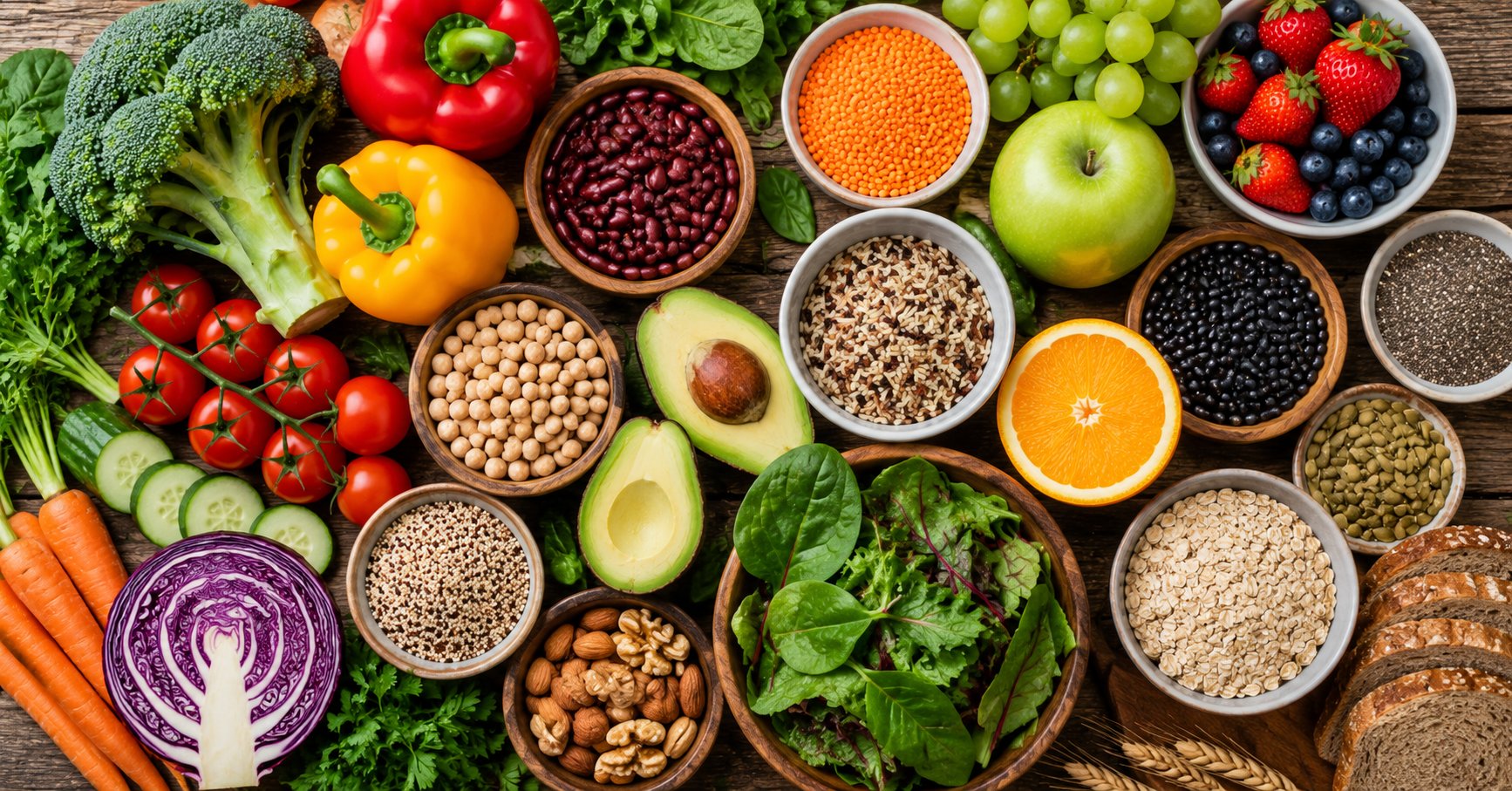
Leading experts at the World Cancer Research Fund recommend making whole grains, vegetables, fruit, and pulses such as beans and lentils a major part of your daily diet. These foods are naturally rich in fiber, vitamins, and protective plant compounds. The idea is simple. Build most of your meals around plants, and let other foods play a smaller, supporting role. With that pattern in mind, here are the specific foods that earn their place.
Foods That May Help Lower Your Cancer Risk
Remember, these foods work best as part of an overall healthy diet, not as standalone cures. With that said, here is where the evidence is strongest.
Whole grains and high-fiber foods
This is one of the clearest links in nutrition science. Eating fiber-rich foods, including whole grains, is shown to reduce the risk of bowel cancer.
Whole grains like oats, brown rice, quinoa, and whole wheat keep their fiber and nutrients, unlike refined white versions. Aiming for around 30 grams of fiber a day is a sensible target. Fiber helps in several ways, speeding food through your digestive system and feeding healthy gut bacteria. It also helps protect against weight gain, which matters because excess weight is linked to at least 13 types of cancer.
Vegetables and fruits
Filling half your plate with vegetables and fruit is timeless advice for good reason. Experts conclude that greater consumption of non-starchy vegetables and fruits probably protects against several cancers, particularly those of the mouth, throat, and digestive tract.
A useful habit is to eat the rainbow, choosing a variety of colors. Different pigments come with different beneficial compounds. It is worth being honest that the evidence here has become more cautious over the years, but vegetables and fruit remain a cornerstone of any cancer-protective diet.
Beans, lentils, and other legumes
These humble foods are nutritional powerhouses. Pulses like beans, lentils, and chickpeas are packed with fiber and plant-based protein.
They are especially valuable as a replacement for some of the red and processed meat in your diet. Swapping a meat-heavy meal for a bean-based one a few times a week is a small change with real potential benefit.
Cruciferous vegetables
This family deserves a special mention. It includes broccoli, cauliflower, cabbage, kale, and Brussels sprouts.
These vegetables contain natural compounds that scientists have studied for their possible cancer-protective effects. While research is ongoing, they are nutritious, high in fiber, and a smart addition to a plant-forward plate.
Colorful produce, berries, and tomatoes
Brightly colored foods are rich in antioxidants and phytochemicals. Berries, for example, are full of polyphenols, and tomatoes contain a compound called lycopene that has been studied in relation to prostate cancer.
These are promising and healthy choices. Just keep expectations realistic. They are valuable parts of a good diet, not proven cures on their own.
Why These Foods May Help
It helps to understand the mechanisms, since they explain the cautious optimism. Several processes are likely at work.
Fiber speeds the passage of food through your gut and nourishes beneficial bacteria, which may lower the risk of digestive cancers. The vitamins and phytochemicals in plants are thought to help protect cells from damage and reduce inflammation, a known contributor to cancer. Perhaps most importantly, a diet rich in these foods helps you maintain a healthy weight, which is one of the single biggest dietary levers for lowering cancer risk. Researchers are still untangling exactly how it all fits together.
Just as Important, Foods to Limit
Adding healthy foods is only half the equation. Cutting back on certain others matters just as much.
The clearest concern is processed meat, such as sausages, bacon, and deli meats. Experts have concluded that no level of processed meat intake can confidently be called risk-free, so it is best kept to a minimum. Red meat should be limited too. It is also wise to cut down on alcohol, sugary drinks, and ultra-processed foods. Because added sugar hides in so many products, knowing where to find it helps, as we explain in our guide on hidden sugar in everyday foods.
It Is the Pattern, Not a Single Plate
Here is the mindset that ties everything together. One healthy meal will not save you, and one indulgent meal will not doom you.
What counts is consistency over months and years. Interestingly, research suggests that eating plenty of vegetables, fruit, and fiber can help blunt some of the risk from red and processed meat, though it does not erase it. So aim for a steady, balanced pattern rather than perfection. For more everyday ideas to build that pattern, browse our healthy food section.
How to Build a Cancer-Smart Plate
All of this becomes easier when you have a simple visual to follow. You do not need to count nutrients or memorize lists.
A practical approach is to picture your plate in proportions. Fill at least half of it with vegetables and fruit, choosing a range of colors. Reserve about a quarter for whole grains, such as brown rice, oats, or whole-grain bread. Let the final quarter be your protein, leaning on plant sources like beans and lentils, with smaller amounts of fish or poultry and only occasional red meat. This plant-forward balance naturally delivers plenty of fiber and protective compounds while keeping the foods you want to limit in check. Do this most of the time, and the details tend to take care of themselves.
Be Wary of Miracle Food Claims
Finally, a word of caution worth repeating. The internet is full of bold claims that a specific food or juice can cure or prevent cancer. These claims are not supported by science.
No food is a substitute for medical care, recommended screening, or professional advice. A healthy diet supports your body and lowers your risk, but it works alongside medicine, never in place of it. If you ever see a food described as a guaranteed cancer cure, treat it with healthy skepticism, and talk to your doctor.
Frequently Asked Questions
Can foods really lower your cancer risk? An overall healthy diet can lower your risk, especially one rich in whole grains, vegetables, fruit, and legumes. But no single food prevents or cures cancer on its own.
What is the most protective type of food? High-fiber foods and whole grains have some of the strongest evidence, particularly for reducing bowel cancer risk. A plant-forward pattern overall is what matters most.
Which foods should I limit to lower cancer risk? Processed meats, excess red meat, alcohol, sugary drinks, and ultra-processed foods are the main ones to cut back on.
Does eating one superfood make a difference? Not on its own. The benefit comes from your overall eating pattern over time, not from any single food, no matter how healthy it is.
Can a healthy diet replace cancer screening? No. A good diet lowers your risk, but it does not replace recommended screening or medical care. The two work together.
The Bottom Line
When it comes to foods to lower cancer risk, the truth is both humbler and more empowering than the superfood headlines suggest. No single food is a shield, but a steady, plant-forward diet genuinely shifts the odds in your favor.
Build your meals around whole grains, vegetables, fruit, and legumes, lean on fiber, and limit processed meat, alcohol, and ultra-processed foods. Keep it consistent, pair it with a healthy weight and regular screening, and you give your body real, science-backed support, without falling for the hype. The best diet for lowering cancer risk is not a strict or expensive one. It is simply a balanced, mostly plant-based way of eating that you can enjoy and stick with for life.