A few years ago, headlines around the world delivered an alarming message. The World Health Organization had declared that processed meat causes cancer, and some reports placed bacon in the same group as cigarettes. For bacon and sausage lovers, it sounded terrifying.
But those headlines told only part of the story, and they caused a lot of unnecessary panic. The truth about processed meat and cancer is far more nuanced, and honestly, far less frightening than the scare suggested. So what did the science actually say, and how worried should you really be? Let us separate the facts from the fear.
What Did the WHO Actually Say?
The claim came from a major review by the International Agency for Research on Cancer, or IARC, which is part of the WHO. In 2015, a group of 22 experts evaluated more than 800 studies.
They reached two main conclusions. Processed meat was classified as carcinogenic to humans, known as Group 1. Red meat was classified as probably carcinogenic to humans, known as Group 2A. Both conclusions were based mainly on evidence linking these meats to colorectal cancer, also called bowel cancer. At first glance, that sounds severe. But the key to understanding it lies in what these categories really mean.
The Big Misunderstanding, Group 1 Does Not Mean Equally Dangerous
Here is the single most important point in this whole topic, and the one the headlines got wrong. Being in Group 1 alongside tobacco does not mean processed meat is as dangerous as tobacco.
The IARC itself is crystal clear on this. As the WHO explains, processed meat is in the same category as tobacco and asbestos, but this does not mean they are all equally dangerous. The classification describes how strong the scientific evidence is that something can cause cancer, not how much it actually raises your risk. In other words, scientists are confident that processed meat can contribute to cancer, just as they are confident about tobacco. But the size of the risk from each is wildly different.
So How Much Does the Risk Actually Increase?
This is where context turns panic into perspective. The numbers tell a reassuring story once you understand them.
The IARC found that eating 50 grams of processed meat a day, roughly one hot dog or a couple of slices of bacon, increases the relative risk of colorectal cancer by about 18 percent. That figure sounds big, but it is a relative increase. In absolute terms, it is small. As experts have explained, this raises a person’s lifetime risk of bowel cancer from around 5 percent to about 6 percent. Now compare that to smoking. Smokers have roughly 20 times, or about 2,000 percent, the risk of lung cancer compared to non-smokers. That contrast shows just how different two Group 1 items can be.
What Counts as Processed Meat?
To apply this sensibly, it helps to know exactly what processed meat is. The term is more specific than it sounds.
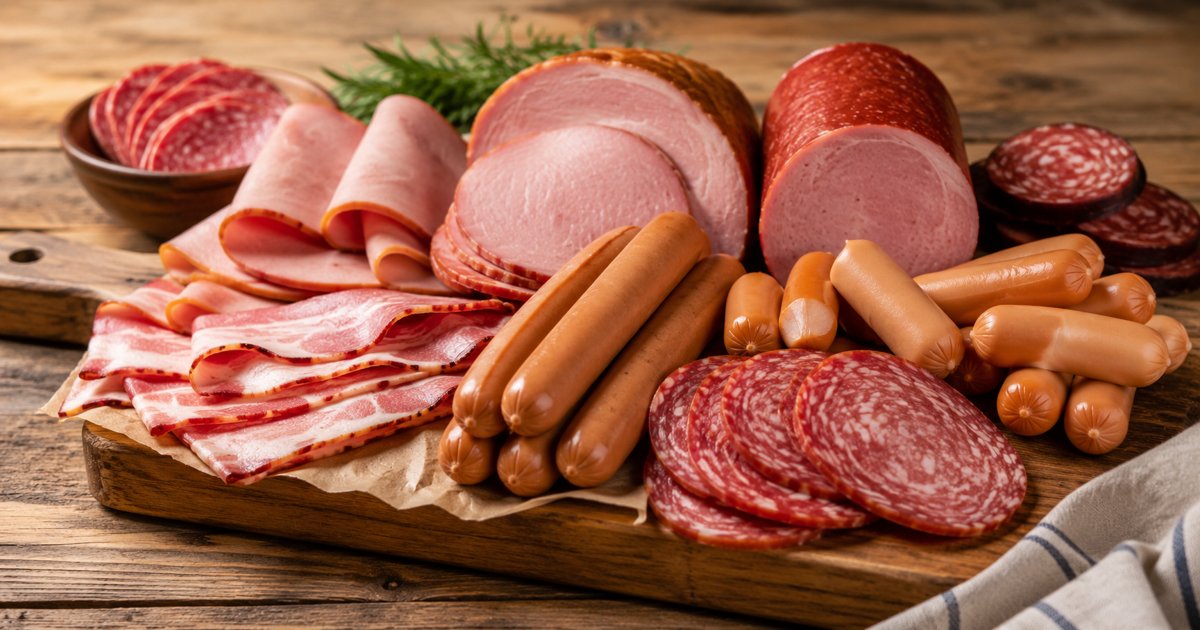
Processed meat is meat that has been preserved or flavored through salting, curing, fermentation, smoking, or the addition of chemical preservatives. Common examples include:
Bacon and ham
Sausages and hot dogs
Deli or luncheon meats
Salami and corned beef
Local favorites like sosis, nugget, and kornet
Fresh, unprocessed chicken, fish, or a plain cut of beef is a different matter. The concern here is specifically about the preserved, processed products.
Why Processed Meat May Raise Risk
Understanding the why helps explain the link. Several features of processed meat are thought to play a role.
The preservatives used in curing, namely nitrates and nitrites, can form compounds called N-nitroso compounds in the body, which may damage the cells lining the bowel. Red and processed meats are also high in heme iron, which has been linked to this damage. Finally, cooking meat at very high temperatures, such as grilling over a flame or pan-frying, can create other potentially harmful chemicals. Together, these mechanisms help explain why the evidence points to a real, if modest, effect.
It is worth noting that researchers are still untangling exactly how much each of these factors matters. The strongest evidence centers on the preservation process itself, which is part of why processed meat carries more concern than a simple fresh cut of meat. Understanding these pathways also points to simple ways to lower any risk, such as choosing fresher options and avoiding heavy charring.
What About Red Meat?
Red meat sits in a slightly different category, and the message is gentler. It was classified as probably carcinogenic, Group 2A, based on more limited evidence.
Red meat includes beef, pork, lamb, and goat. Unlike processed meat, it also offers genuine nutritional value, including protein, iron, and vitamin B12. So the advice here is not to cut it out, but to keep it moderate. Health experts generally suggest limiting red meat to a few modest portions per week. For red meat, the theme is moderation rather than avoidance.
So How Worried Should You Be?
Now for the question in the title. Taking everything together, the answer is reassuring, with a sensible caveat.
For most people, there is no need to panic. An occasional hot dog at a gathering or bacon with weekend breakfast carries a very small individual risk. What matters is the long-term pattern. The concern is regular, high daily consumption of processed meat over many years, not the occasional treat. It is also just one factor among many that influence cancer risk. So rather than fear, the right response is simple moderation, set within an overall healthy diet.
Small Risk for You, Big Picture for Everyone
There is one more idea that helps make sense of why health authorities take this seriously, even though the individual risk is small. It comes down to the difference between one person and a whole population.
For any single person, the extra risk from eating some processed meat is modest. But processed meat is eaten by enormous numbers of people worldwide. When even a small risk is spread across billions of people, it adds up to a meaningful number of cancer cases overall. That is why public health bodies encourage cutting back at a population level. For you as an individual, though, it simply means moderation is wise, not that you should be afraid of every bite.
How to Enjoy Meat More Wisely
The practical takeaway is balance, not deprivation. A few easy habits keep your risk low while still letting you enjoy your food.
Treat processed meats as an occasional choice, not a daily staple.
Keep red meat to moderate portions through the week.
Replace some meat with fish, poultry, beans, or lentils.
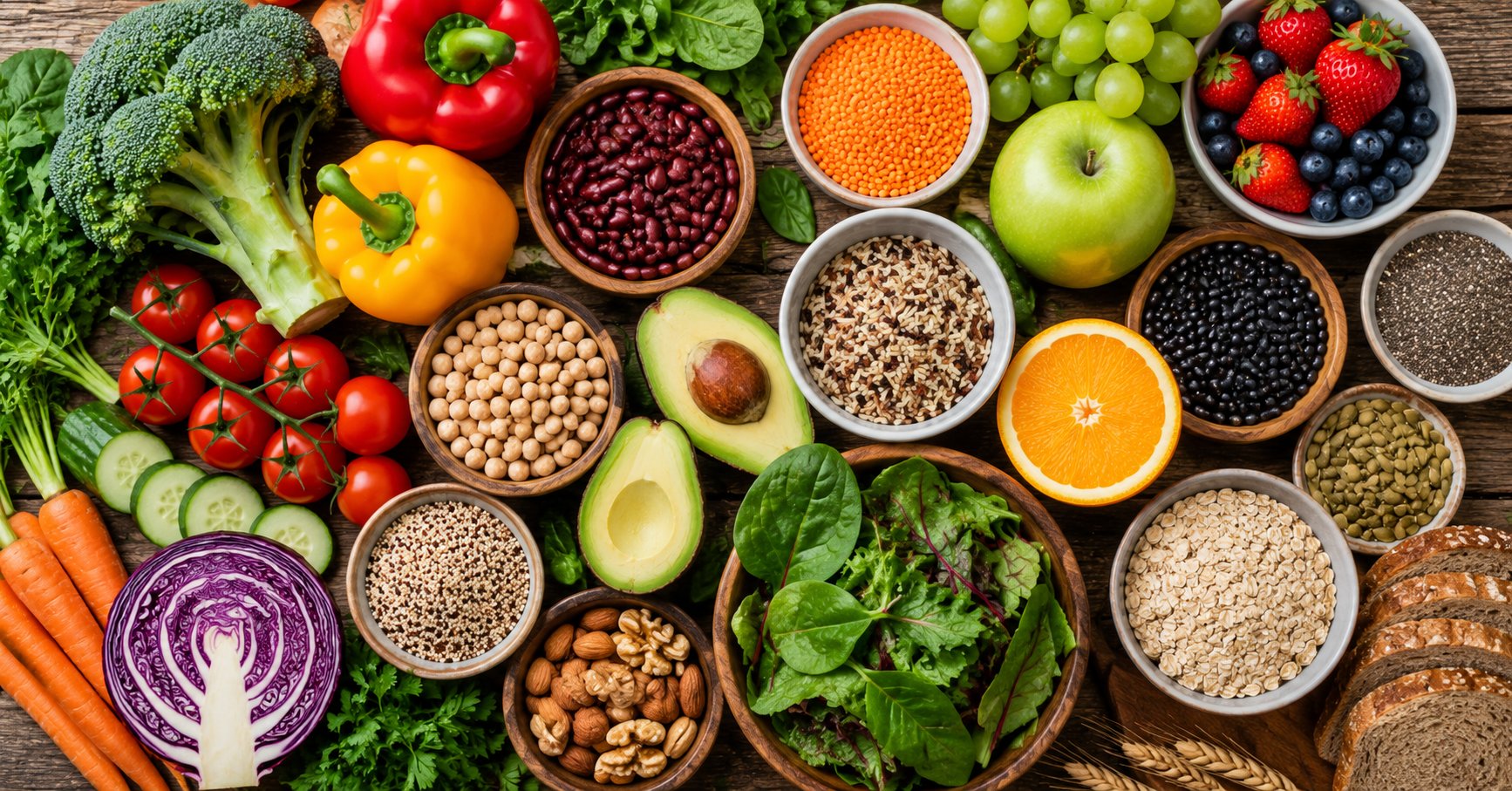
Fill your plate with fiber-rich vegetables, fruits, and whole grains, which are linked to lower bowel cancer risk.
Avoid charring meat, and cook at gentler temperatures when you can.
Cutting back on processed foods in general is a smart move, and being aware of what is in everyday products helps, as we cover in our guide on hidden sugar in everyday foods. For more balanced eating ideas, our healthy food section is a good place to start.
Frequently Asked Questions
Does processed meat really cause cancer? There is strong evidence linking regular processed meat consumption to a higher risk of colorectal cancer. However, the increase in individual risk is modest, and it depends on how much and how often you eat it.
Is bacon as dangerous as smoking? No. Although both are in the same evidence category, Group 1, this only means scientists are confident each can cause cancer. The actual risk from smoking is vastly higher than from processed meat.
How much processed meat is safe? There is no official safe amount, but the risk rises with quantity. Eating processed meat occasionally rather than daily keeps the risk small.
Is red meat as risky as processed meat? No. Red meat is classified as only probably carcinogenic, based on weaker evidence, and it offers nutrients like iron and protein. The advice is to keep it moderate rather than avoid it.
What can I eat instead? Fish, poultry, beans, lentils, and other plant proteins are great alternatives, alongside plenty of vegetables, fruits, and whole grains.
The Bottom Line
The link between processed meat and cancer is real, but the headlines that compared bacon to cigarettes badly misled people. The WHO classification reflects how confident scientists are that processed meat can cause cancer, not how dangerous it is, and the actual increase in individual risk is small.
So you do not need to panic or banish meat from your life. Simply treat processed meats as an occasional choice, keep red meat moderate, and build your meals around vegetables, whole grains, and a variety of proteins. That balanced approach lets you enjoy your food while keeping your risk sensibly low. In the end, no single food makes or breaks your health. What matters most is the overall pattern of how you eat, day in and day out.