Lung cancer is one of the leading causes of cancer death in the world. Part of what makes it so dangerous is timing. It is frequently discovered only at a late stage, when it is much harder to treat.
The reason is simple but troubling. In its early stages, lung cancer often causes no symptoms at all. By the time warning signs appear, the disease may already be advanced. That is exactly why knowing the lung cancer symptoms, and understanding who should be screened, can be so powerful. Catching it earlier dramatically improves the odds. As always, a reassuring note first. Most of these symptoms are far more often caused by something harmless.
Why Lung Cancer Is So Often Caught Late
To understand the value of screening, it helps to grasp this central challenge. Early lung cancer is usually silent.
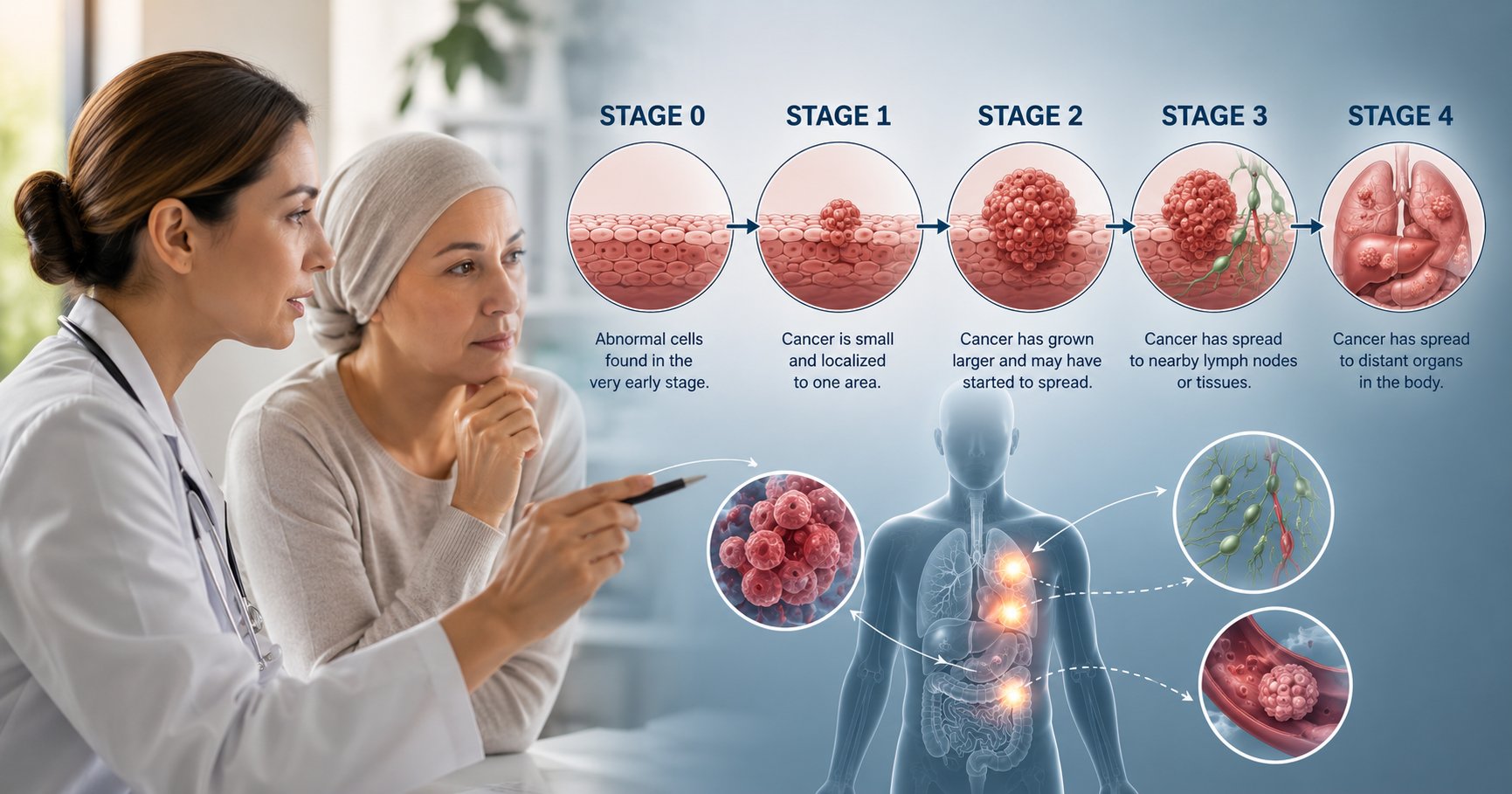
A small tumor deep in the lungs typically causes no pain or obvious problems. Symptoms tend to emerge only once the cancer has grown or begun to spread. This is why so many cases are diagnosed at an advanced stage, and why survival has historically been low. The encouraging flip side is that when lung cancer is found early, often before symptoms appear, treatment is far more likely to succeed.
Lung Cancer Symptoms to Know
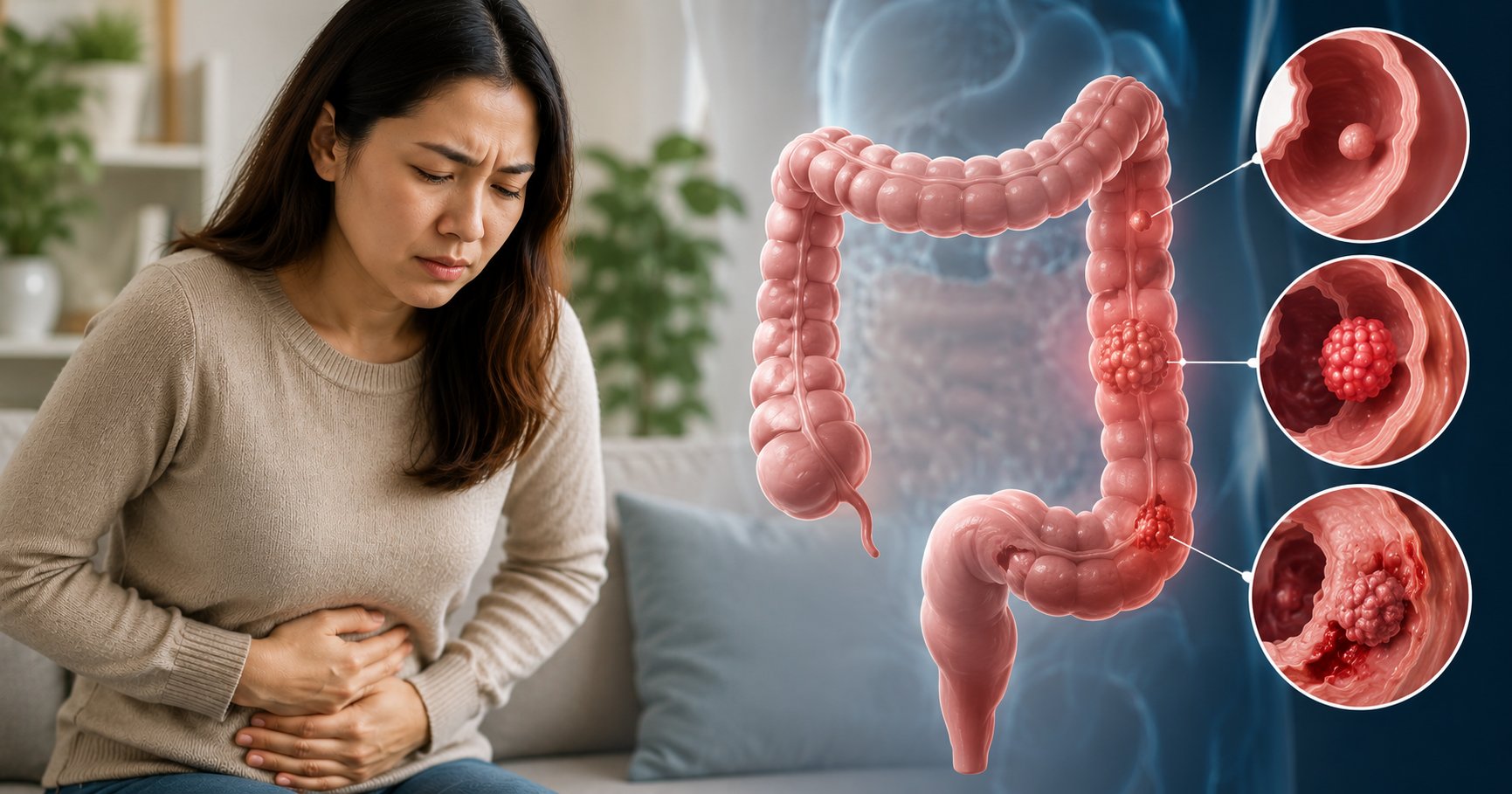
While early lung cancer is often symptomless, there are important warning signs to recognize, especially if they persist. See a doctor if you notice:
A persistent cough that does not go away or gets worse over time
Coughing up blood, even a small amount or rust-colored phlegm
Chest pain that is often worse with deep breathing, coughing, or laughing
Shortness of breath or new wheezing
Hoarseness or a change in your voice
Frequent or recurring chest infections, such as bronchitis or pneumonia
Unexplained weight loss and loss of appetite
Persistent fatigue or weakness
If the cancer has spread, other signs can appear, such as bone pain or headaches. The key theme across all of these is persistence. A symptom that lingers for more than a couple of weeks deserves attention.
A Reassuring Note
Before going further, please keep this in perspective. Experiencing one of these symptoms does not mean you have lung cancer.
The large majority of coughs, chest infections, and similar complaints are caused by far more common conditions, such as ordinary infections, asthma, or allergies. The point is not to worry over every cough. It is to take persistent or unusual symptoms seriously, particularly if you smoke or used to, and to get them checked rather than ignored.
What Causes Lung Cancer?
Understanding the causes helps clarify who is most at risk. One factor stands far above the rest.
Smoking is by far the leading cause of lung cancer, responsible for the large majority of cases and deaths. But it is not the only cause. Other risk factors include:
Secondhand smoke
Radon gas exposure
Air pollution
Workplace exposure to asbestos and certain chemicals
A family history of lung cancer
It is important to know that nonsmokers can develop lung cancer too. This is especially relevant in parts of Asia, where a meaningful share of cases occur in people who never smoked, including many women. So while smoking is the biggest driver, lung cancer is not exclusively a smoker’s disease.
The Smoking Connection, and Why It Matters Here
This topic carries particular weight in Indonesia, where smoking rates are among the highest in the world, especially among men. That makes lung cancer a major and largely preventable threat.
Here is the hopeful part. Quitting smoking is the single most effective way to lower your risk, and it helps at any age. The body begins to recover soon after quitting, and the longer you stay smoke-free, the more your risk falls. Quitting also protects the people around you from secondhand smoke, which harms family members, including children. If you smoke, seeking support to quit is one of the most valuable health decisions you can make.
Who Should Get Screened?
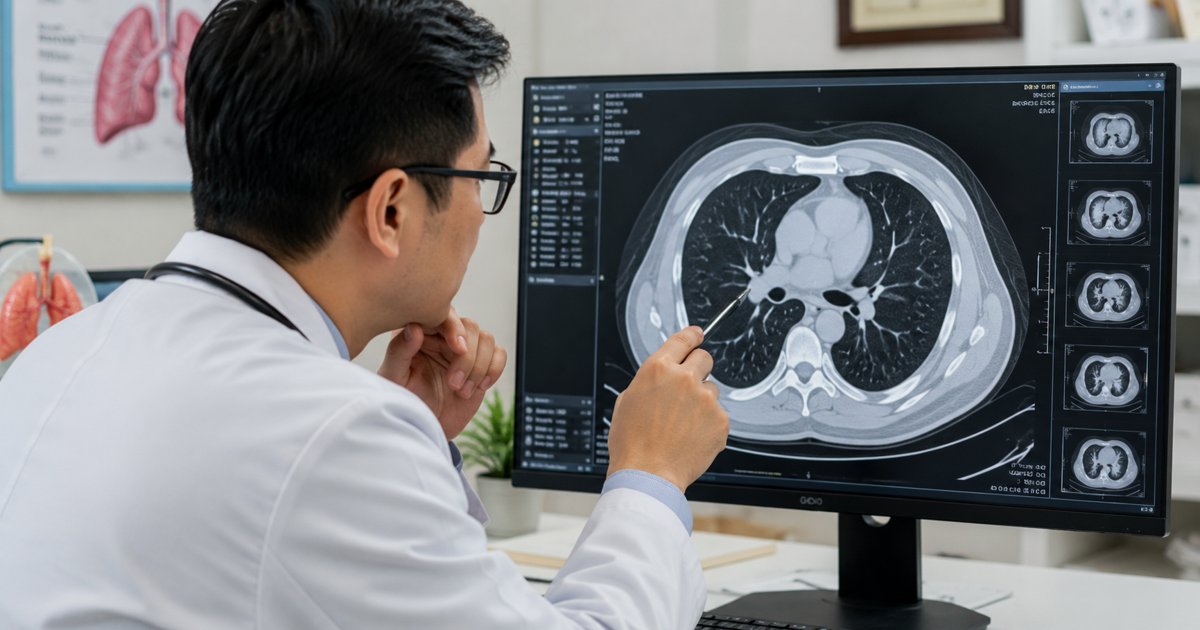
This is where early detection becomes possible, even before symptoms appear. Lung cancer screening uses a quick, low-dose CT scan to look for problems in people at high risk.
Even if you do not meet these exact criteria, it is still worth a conversation with your doctor if you have other risk factors, such as a strong family history of lung cancer or significant exposure to radon or asbestos. Your doctor can help weigh your personal risk and decide whether any monitoring makes sense for you.
What Is a Low-Dose CT Scan?
If you qualify for screening, the test itself is simple and reassuring. There is no need to fear it.
A low-dose CT scan, or LDCT, is a painless imaging test that takes only about ten minutes and uses a low dose of radiation. It can detect small abnormalities in the lungs long before they would ever cause symptoms. This matters enormously, because catching lung cancer at this early stage is when treatment works best. Research has shown that screening high-risk people with LDCT can significantly reduce lung cancer deaths. Sometimes the scan finds harmless spots that require follow-up, which your doctor will guide you through.
How to Lower Your Risk
Beyond screening, there is a lot you can do to protect your lungs. Prevention remains the most powerful tool of all.
The most important steps include not smoking, or getting support to quit if you do, and avoiding secondhand smoke. Where relevant, reducing exposure to radon, air pollution, and workplace hazards also helps. Supporting your overall health makes a difference too. Staying physically active strengthens your lungs and is linked to lower cancer risk, as we cover in our guide on strength training and why it matters. Looking after your respiratory health more broadly, including preventing repeated infections, is worthwhile as well, and our guide on flu prevention at work and school offers practical tips.
When to See a Doctor
The guiding rule is straightforward. Do not ignore symptoms that linger.
See a doctor if you have a cough lasting more than two to three weeks, if you cough up blood, or if you experience ongoing breathlessness, chest pain, or unexplained weight loss. This is especially important if you currently smoke or used to. In most cases the cause will turn out to be something treatable and far less serious. But getting checked promptly gives you the best possible outcome if it is something more.
Frequently Asked Questions
What are the early symptoms of lung cancer? Early lung cancer often causes no symptoms. When they do appear, common signs include a persistent cough, coughing up blood, chest pain, shortness of breath, and unexplained weight loss.
Can nonsmokers get lung cancer? Yes. While smoking is the leading cause, nonsmokers can develop lung cancer too, often due to factors like secondhand smoke, radon, or air pollution. This is particularly notable in parts of Asia.
Who should get screened for lung cancer? Yearly low-dose CT screening is recommended for people aged 50 to 80 who currently smoke or formerly smoked and have at least a 20 pack-year history. Talk to your doctor about your eligibility.
Is a low-dose CT scan safe? Yes. It is a painless, quick scan that uses a low dose of radiation, and for high-risk people the benefits of early detection clearly outweigh the small risks.
Does quitting smoking still help if I have smoked for years? Absolutely. Quitting lowers your risk at any age, and the benefits grow the longer you stay smoke-free. It is always worth quitting.
The Bottom Line
Lung cancer is one of the deadliest cancers largely because it is so often found late. Knowing the lung cancer symptoms, from a persistent cough to coughing up blood and unexplained weight loss, helps you act sooner rather than later.
Just as important is screening. If you are between 50 and 80 and have a significant smoking history, a yearly low-dose CT scan could catch cancer early, when it is far more treatable. And whatever your situation, not smoking, or quitting, remains the most powerful protection of all. Pay attention to lasting symptoms, talk to your doctor about screening, and take every chance to protect your lungs.