More Than Just a Size
Picture yourself standing in front of a wall of shoes, surrounded by endless brands and styles, with no real idea which pair is actually good for your feet. It is a familiar and frustrating moment. And it matters more than you might think.
Your feet carry your entire body weight every day, so the shoes you choose play a huge role in your comfort, posture, and long-term foot health. In fact, research suggests that most people are walking around in shoes that do not fit them correctly. The encouraging news is that choosing healthy shoes is not complicated once you know what to look for. This guide breaks down the key features, the fit rules, and a few simple tests that take the guesswork out of it.
Fit Comes First, and Size Is Not Everything
Before any feature, there is one principle that matters above all others. It is the foundation of healthy footwear. Get this wrong and nothing else can save the shoe.
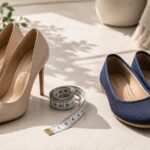
Here is a fact that surprises many people. Your marked shoe size is far less important than how the shoe actually fits. You might wear one size in one brand and a completely different size in another. As podiatrists emphasize, you should decide on a shoe by how it fits your foot, not by the marked size. Sizes vary wildly between brands and styles, so always judge a shoe by feel, not the number printed inside it.
The Toe Box, Room to Move
The first feature to check is the front of the shoe, where your toes live. It is one of the most important for healthy feet. Crowded toes are a recipe for trouble.
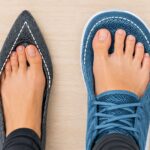
A healthy shoe has a roomy toe box that lets your toes spread and wiggle freely. This space prevents friction, blisters, and the crowding that contributes to bunions and hammertoes over time. As a general rule, aim for about a thumb’s width of space between your longest toe and the end of the shoe. Avoid sharply pointed shoes that taper and squeeze your toes together. We dive deeper into this in our guide on why toe box width matters for foot health.
The Heel Counter, Stability at the Back
Next, turn your attention to the back of the shoe. This often-overlooked part is key to stability. It quietly keeps your whole stride steady.
The heel counter is the firm cup at the back of the shoe that holds your heel in place. A good one keeps your foot stable and reduces excess movement, which improves balance and helps prevent your foot from rolling. To test it, simply press the back of the shoe with your thumb. It should feel firm and supportive, not flimsy or easy to collapse. A secure heel also stops you from unconsciously gripping with your toes to keep the shoe on.
Flexibility in the Right Place
A healthy shoe needs to bend, but only where your foot naturally bends. This is one of the most useful tests of all. Where a shoe flexes tells you a great deal.
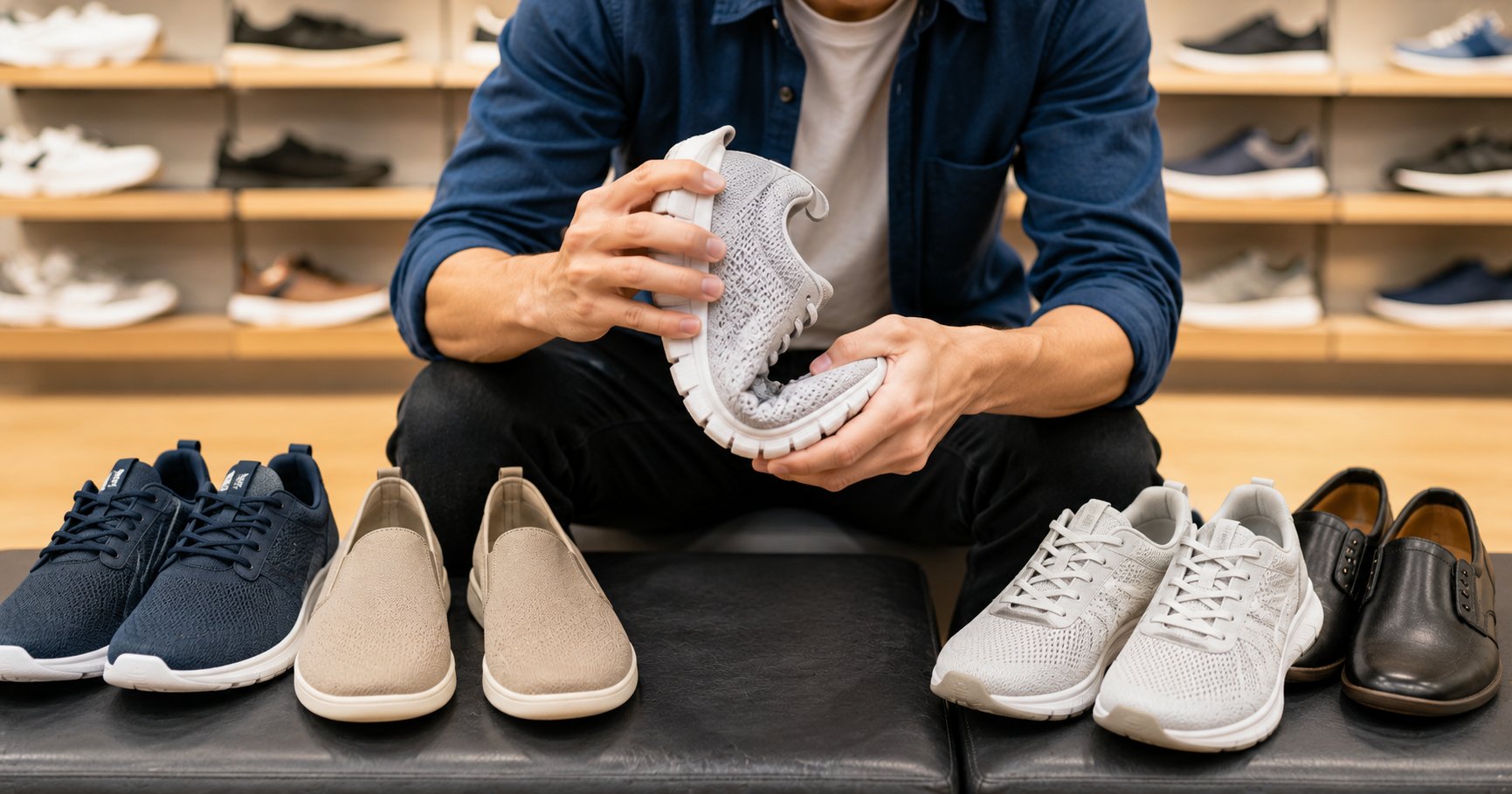
Your foot flexes at the ball, just behind your toes, not in the middle. So a good shoe should bend at the ball of the foot too. A simple test is to hold the shoe at both ends and try to bend it. It should flex at the toe area, but stay firm through the midfoot. If a shoe folds completely in half through the middle, it lacks the support your arch needs, which can lead to instability and fatigue.
Arch Support and Cushioning
Two more features round out a healthy shoe, and the right amount of each depends on your own feet. This is where personalization comes in. Knowing your foot type helps a lot here.
Arch support should match your arch type, whether low, medium, or high. As a general guide, people with flat feet often benefit from more rigid, stable shoes, while those with high arches usually need more cushioning. Speaking of cushioning, a shock-absorbing midsole reduces the stress on your joints with every step, which is especially valuable if you walk a lot or stand for long hours. The goal is supportive comfort, not shoes so soft they feel unstable.
Special Needs for Special Feet
While these principles apply to everyone, some people have particular needs that deserve extra attention. One size truly does not fit all here. Your own feet should guide the final choice.
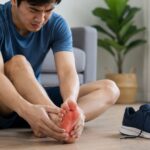
If you have a specific foot condition, the right features become even more important. People with bunions benefit most from an extra-wide toe box, while those prone to plantar fasciitis usually need good arch support and cushioning. Anyone with diabetes should prioritize protective, well-fitting shoes with no rough seams, since reduced sensation makes pressure points and rubbing especially risky. Children need flexible, properly sized shoes that allow their growing feet to develop naturally. Many of these issues show up first as the everyday signs your shoes are hurting your feet, so paying attention to discomfort helps you adjust early. When in doubt, a podiatrist can match shoe features to your unique feet.
How to Test Shoes Before You Buy
Knowing the features is half the battle. The other half is testing shoes properly in the store. A few simple habits make a big difference. These checks take only a minute.
Follow this podiatrist-backed routine when trying on shoes:
- Shop in the evening, since feet swell as the day goes on, so a late-day fit reflects real-world wear.
- Wear your usual socks or any inserts you normally use.
- Have both feet measured, and fit to your larger foot, since most people have one slightly bigger.
- Stand up and check toe room, leaving about a thumb’s width at the front.
- Walk around on a hard surface, feeling for any pinching, slipping, or pressure.
Do Not Believe in Breaking Them In
This single myth causes more foot pain than almost any other. It is worth stating plainly. A shoe that hurts in the store will keep hurting.
If a shoe feels tight, pinches, or rubs when you try it on, do not buy it hoping it will improve. As podiatrists warn, a shoe that feels borderline in the store almost never becomes truly comfortable. Materials may soften slightly, but real fit problems do not disappear. A healthy shoe should feel comfortable from the very first wear. Trust that immediate feedback from your feet, and walk away from anything that needs convincing.
Match the Shoe to the Activity
There is no single perfect shoe for everything, which is an important point. Different activities place different demands on your feet. The right choice depends on what you are doing.
Running shoes are built with cushioning and support for forward motion, while court sports need shoes designed for side-to-side movement, and hiking calls for rugged soles and traction. Wearing the right type for each activity protects your feet and your whole body. For exercise in particular, getting the fit right is its own skill, which we cover in our guide on choosing the right shoe size for sports. The wrong shoe for the job can quietly cause problems far beyond your feet, as we explain in our guide on how the wrong shoes affect your whole body.
A Few Myths Worth Dropping
Finally, let us clear up a couple of common misconceptions that lead people astray. These myths can cost you both money and comfort. The truth is refreshingly simple.
First, expensive does not always mean better. A high price tag does not guarantee a good fit, and the right shoe for you is about support, quality, and feel, not cost. Second, be skeptical of bold marketing claims. If a shoe promises to cure a condition, treat that with caution and judge it on how it feels on your own feet. And remember that even the best shoes wear out, so replacing them when they break down matters, a topic we cover in our guide on how often you should replace your shoes.
The Bottom Line
Choosing healthy shoes does not require expert knowledge, just a few simple checks. Prioritize fit over the size on the label, look for a roomy toe box, a firm heel counter, flexibility at the ball of the foot, and support that matches your arch.
Then put any pair to the test. Try shoes on later in the day, walk around, and trust how they feel right away, since a healthy shoe should be comfortable from the start. Match your footwear to your activity, ignore the myths, and your feet will reward you with comfort and support for years to come. Your feet truly are your foundation, so choose what goes on them with care. A few extra minutes of careful checking in the store can genuinely save you from months of avoidable foot pain down the road.