That Stabbing Pain in Your Heel
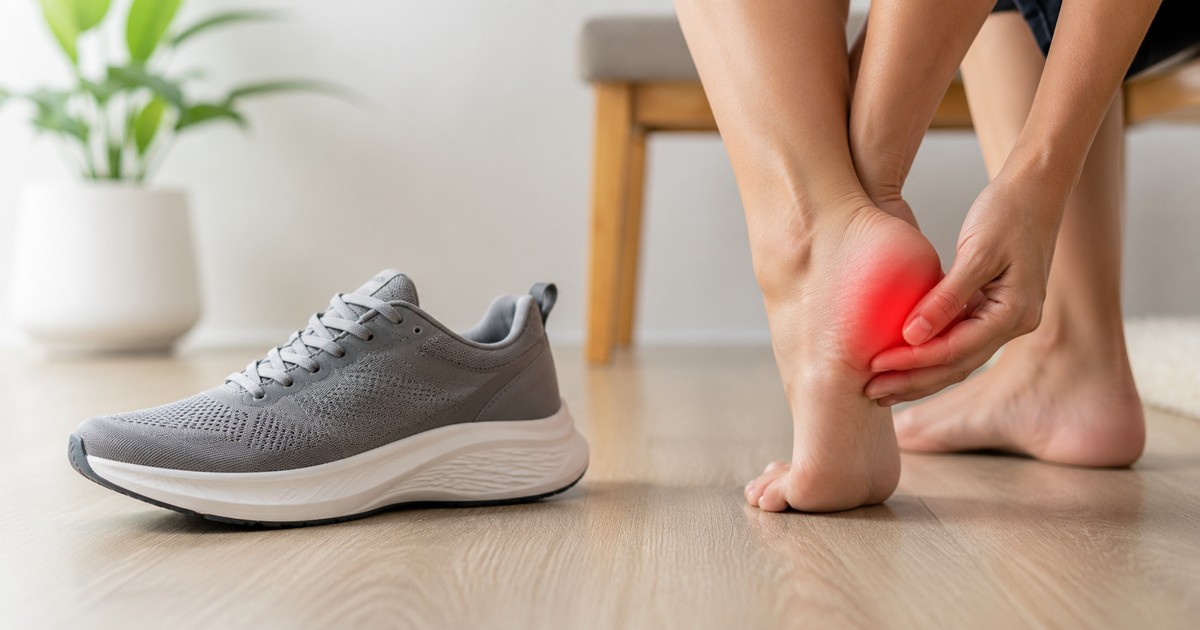
You know the feeling all too well if you have it. That sharp, stabbing pain under your heel with your very first steps out of bed in the morning, or after sitting for a while. It can turn a simple walk across the room into a wince-inducing ordeal.
That classic symptom is the hallmark of plantar fasciitis, one of the most common and most-searched causes of foot and heel pain. Here is the encouraging part. The shoes you wear make a real difference. The right pair can genuinely help calm the pain, while the wrong ones keep it flaring. This guide explains exactly what to look for in shoes for plantar fasciitis, focusing on the features that matter rather than the brand on the box.
What Is Plantar Fasciitis?
To understand why certain shoes help, it is worth knowing what plantar fasciitis actually is. The name sounds intimidating, but the idea is simple.
Your plantar fascia is a thick band of tissue that runs along the bottom of your foot, from your heel to the ball of your foot. Plantar fasciitis is the inflammation of this band, and it produces that distinctive stabbing heel pain, especially with the first steps of the day. It often results from a mix of factors, including overuse, time on hard floors, and unsupportive footwear. As foot specialists note, the condition flares up when your foot is stressed or overused. People with flat feet, high arches, or overpronation are especially prone to it.
How the Right Shoes Help
So where do shoes fit into all this? Your footwear has a direct influence on the forces traveling through your feet with every step. This is why shoe choice matters so much.
Supportive shoes work by reducing the strain on that inflamed band of tissue. A good pair can unload the plantar fascia, stabilize your heel, and cushion the impact of each step, which helps calm the irritation. The wrong shoes do the opposite, keeping the fascia stretched, stressed, and tender. In other words, the right footwear is not just about comfort. It is a genuine part of managing and recovering from the condition, working alongside other treatments. Think of supportive shoes as a foundation that everything else builds upon.
It Is About Features, Not Brands
Before the feature list, here is an important principle echoed by podiatrists. There is no single magic shoe that cures plantar fasciitis for everyone. The best choice depends on your feet.
Experts consistently advise people to look beyond brand names and focus on function. What works wonders for one person may not suit another, depending on foot shape, arch height, and activity. So rather than chasing a trendy model, learn the features that ease plantar fasciitis. Once you know them, you can spot a supportive shoe at any price point.
The Key Features to Look For
When you are shopping for relief, these are the qualities that genuinely help an inflamed plantar fascia. Aim for as many as possible:
- Firm arch support that keeps the fascia from overstretching and stops the arch collapsing
- A deep heel cup that cradles the heel, absorbs pressure, and holds it securely
- Generous cushioning and shock absorption, especially under the heel
- A stiff, stable midsole that controls motion rather than folding in the middle
- A slightly raised heel, since a modest heel-to-toe drop reduces strain on the fascia
- A secure fit with room for your toes, avoiding any pinching
- Removable insoles, so you can add custom orthotics if needed
Podiatrists highlight this exact combination, recommending shoes with arch support, a deep heel cup, shock absorption, and a wide, stable sole. Of all these, firm arch support is the single most important.
The Fold Test and Other Quick Checks
You do not need a lab to evaluate a shoe. A couple of simple hands-on tests reveal whether a shoe has the structure your feet need. They take just seconds in the store.
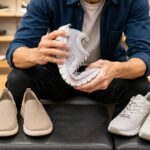
The most useful is the fold test. Try to bend the shoe in half. A good shoe for plantar fasciitis should flex at the toes, where your foot naturally bends, but resist folding through the middle. As podiatrists warn, buying shoes that are too flexible can prolong healing and worsen pain. Next, press into the heel area to check for a firm, structured cup rather than a soft, mushy one. Finally, twist the shoe. If it wrings like a towel, it lacks the stability your fascia needs.
What to Avoid
Just as important as knowing what to look for is knowing what to keep off your feet. Some popular shoes are notorious for aggravating plantar fasciitis. These are the ones to limit.
The biggest culprits are flat, unsupportive shoes. Flip-flops, with little to no arch support, are a frequent offender, which is why podiatrists suggest saving them for the beach or pool, a point we explore in our guide on whether flip flops are bad for your feet. High heels are another problem, straining the foot and altering its mechanics, as we cover in our guide on high heels and foot health. Thin, flimsy soles and worn-out shoes also aggravate symptoms, since old shoes lose their support, a reason to replace them on schedule, covered in our guide on how often to replace your shoes.
The Best Shoe Types for Relief
With those features in mind, certain categories of footwear tend to work best for plantar fasciitis. Matching the shoe to the moment helps. Different situations call for different options.
A well-made, supportive sneaker, whether a walking or running shoe, generally offers the best all-around support for daily wear. For people who are on their feet for long hours, a supportive work shoe with these same features is essential, a challenge we address in our guide on the best shoes for standing all day. For casual use around the house, cushioned recovery sandals with arch support are far better than flat slippers, though they are not designed for extensive walking. The goal in every setting is the same, which is support and cushioning over flat, flimsy comfort.
Do Not Forget Insoles and Orthotics
Even the best shoes can be enhanced, and sometimes a great insole is the key to relief. This is one of the most valuable tools available. It is worth understanding your options.
If your favorite shoes lack enough arch support, quality over-the-counter insoles can add cushioning and support to footwear you already own. For more tailored support, a podiatrist can prescribe custom orthotics designed for your specific feet. This is exactly why removable insoles are such a prized feature, since they let you swap the standard insole for a supportive one. For many people with plantar fasciitis, the right insole inside a supportive shoe is a winning combination.
A Word on Barefoot Shoes
Given how trendy minimalist footwear has become, it is worth a specific note here. Barefoot shoes and plantar fasciitis have a complicated relationship. Caution is the watchword.
Because barefoot shoes are flat and offer little arch support or cushioning, they are generally not suitable during an active plantar fasciitis flare, when your fascia needs support and shock absorption. That said, with a very careful, gradual approach and proper foot strengthening, some people use minimalist shoes to build long-term foot strength once their symptoms have settled. We explore the full picture in our guide on whether barefoot shoes are good for you. If you have active heel pain, prioritize support first.
Shoes Are Only Part of the Picture
Finally, a dose of realism. As helpful as the right shoes are, footwear alone rarely solves plantar fasciitis completely. It is one important piece of a bigger puzzle.
Lasting relief usually comes from combining supportive shoes with other measures, such as regular calf and foot stretching, maintaining a healthy weight to reduce pressure on the fascia, resting from aggravating activities, and applying ice during flares. Choosing genuinely supportive footwear, using the principles in our guide on how to choose healthy shoes, is a powerful start. But if your heel pain is severe or persists for more than a few weeks, it is important to see a podiatrist for a proper diagnosis and treatment plan.
The Bottom Line
When it comes to shoes for plantar fasciitis, the right features make a real difference. Look for firm arch support, a deep heel cup, good cushioning, a stiff stable midsole, and removable insoles, then match the shoe to your feet rather than chasing a brand name.
Just as importantly, avoid the flat, flimsy, and worn-out shoes that keep the pain going. Pair supportive footwear with stretching, rest, and a healthy weight, and add insoles or orthotics if you need them. With the right shoes and a little patience, that stabbing morning heel pain can finally start to ease. If it does not, a podiatrist can help you find the path to relief.