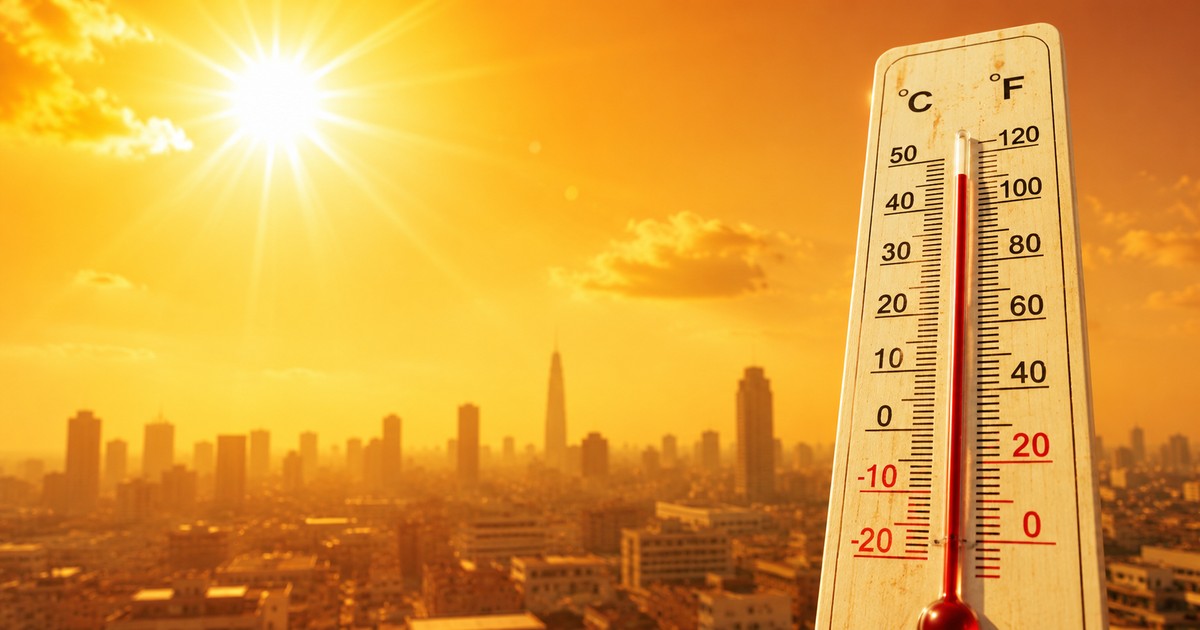
When we picture deadly weather, we tend to imagine hurricanes, floods, or storms. Heat is different. A heatwave does not flatten buildings or sweep away streets. The sky often looks calm and blue. And yet, quietly and largely unnoticed, extreme heat has become one of the deadliest weather threats on the planet.
Europe has felt this acutely. Recent summers have claimed tens of thousands of lives across the continent, with one analysis estimating that climate change drove around 16,500 additional deaths across 854 European cities in a single summer. But why exactly do heatwaves kill so many, often without obvious warning? To understand that, we need to look at what heat does inside the human body. This is the hidden toll of extreme heat.
A Silent and Growing Killer
Before the biology, it helps to grasp the sheer scale of the problem. Heat is a far bigger killer than most people realize. And the danger is rising fast.
According to the World Health Organization, roughly 489,000 heat-related deaths occurred each year between 2000 and 2019, with about 36 percent of them in Europe. Alarmingly, heat-related deaths among people over 65 rose by an estimated 85 percent between the early 2000s and recent years. As climate change makes heatwaves more frequent and intense, the number of people exposed keeps climbing. Yet because heat rarely leaves visible destruction, its toll is easy to overlook, and it seldom receives the same urgent attention as a storm or a flood, even though it often claims far more lives.
How Your Body Fights the Heat
To see why heat is so dangerous, you first need to understand how your body tries to stay cool. It has two main tools, and both come at a cost. Your survival depends on them working.
When you get hot, your body cools itself in two key ways. First, it sweats, and as that sweat evaporates, it carries heat away. Second, it pumps more blood toward the skin, where that heat can escape into the air. This second process is crucial, because it forces your heart to work much harder, increasing its output significantly. In a healthy person on a warm day, this system copes well. But when the heat is extreme or prolonged, these defenses can become overwhelmed, and your core temperature starts to climb.
Why the Heart Bears the Brunt
Here is the single most important reason heatwaves are so deadly, and it surprises many people. Most heat deaths are not from what we typically call heatstroke. They come from the heart.
Because cooling your body demands so much extra work from the heart, the cardiovascular system takes the greatest strain. As medical research makes clear, the excess deaths during heatwaves are overwhelmingly cardiovascular in origin. In someone whose heart is already weakened, or simply older, the extra demand can create a dangerous mismatch between how much oxygen the heart needs and how much it can get. This can trigger cardiac events like a heart attack, or even cardiovascular collapse. The heart, quite literally, is pushed beyond its limits.
When the Body Overheats
Of course, direct overheating is still a serious danger in its own right. This is where the more familiar heat illnesses come in. They exist on a spectrum.
As the body struggles to cope, a person may first develop heat exhaustion, with symptoms like heavy sweating, weakness, dizziness, and nausea. If it is not addressed, this can progress to heat stroke, which is a true medical emergency. Heat stroke occurs when the body’s temperature rises to dangerous levels and its cooling system fails, leading to confusion, collapse, and potential organ damage. It carries a high fatality rate and requires immediate emergency care. We cover the warning signs in detail in our guide on how to recognize and prevent heat stroke.
The Domino Effect on Your Organs
One of the most dangerous things about extreme heat is that it rarely harms just one part of the body. It sets off a chain reaction. This is what makes severe cases so lethal.
When the body overheats and becomes dehydrated, the strain ripples outward. The kidneys, deprived of adequate blood flow and burdened by dehydration, can suffer acute injury that sometimes becomes permanent, a risk that connects to broader kidney health, which we explore in our guide on kidney failure and everyday habits. The lungs can be affected too, and heat even disrupts blood clotting. As dysfunction in one organ worsens the others, the result can be a vicious cycle of multiorgan failure that proves fatal.
Why Humidity Makes It So Much Worse
Temperature alone does not tell the whole story of a heatwave’s danger. Humidity plays a huge and underappreciated role. This matters enormously in tropical climates.
Remember that your body relies heavily on sweat evaporating to cool you down. When the air is very humid, that sweat cannot evaporate effectively, so your primary cooling system stops working properly. This means that a hot, humid day can be far more dangerous than a hotter but drier one. In conditions of extreme heat and humidity combined, the human body can struggle to cool itself at all, which is why humid heat can turn deadly even at temperatures that might otherwise seem survivable.
The Hidden Toll, Why the Numbers Are Underestimated
This brings us to the hidden part of the story, and it explains why heat is so often underestimated. Many heat deaths never get recorded as heat deaths. The true toll stays partly invisible.
When an older person with heart disease dies during a heatwave, the death is frequently attributed to their heart condition rather than to the heat that triggered it. Because of this, researchers rely on estimates of excess deaths, comparing how many people died during a heatwave against how many would normally be expected. This is why extreme heat is often called a silent killer, and why understanding these public health patterns matters, a field we introduce in our guide on what epidemiology is in public health.
It Is Not Just the Elderly
While older adults are the most vulnerable, it would be a mistake to think heat only threatens them. Extreme heat can harm anyone, including the young and healthy. Certain groups simply face higher risk.
Those most at risk include older adults, young children, pregnant women, and people with chronic conditions such as heart disease, respiratory illness, diabetes, and mental health conditions. Extreme heat can worsen existing conditions like diabetes, a topic we touch on in our guide on understanding prediabetes. People who work outdoors face serious exposure, which links to workplace safety covered in our guide on the hazards of neglecting occupational health and safety. Even some common medications can raise the risk.
The Long Shadow of Extreme Heat
There is one more reason to take heat seriously, and it is easy to miss. Surviving a severe heat event is not always the end of the danger. The effects can linger for years.
Research suggests that people who survive heat stroke may face a raised risk of cardiovascular disease long afterward, and that organ or cognitive effects can persist well beyond the event itself. Extreme heat can also take a toll on mental wellbeing, disrupting sleep and mood, something our guide on simple habits to boost your mood can help counter. In other words, the harm from a heatwave is not always fully undone once the temperature drops.
The Good News, Most Heat Deaths Are Preventable
After all this, here is the genuinely hopeful truth, and it is the most important message of all. The vast majority of heat-related deaths are preventable. Simple actions save lives.
Unlike many health threats, protecting yourself from extreme heat does not require anything complicated. Staying cool and hydrated, avoiding the hottest parts of the day, and regularly checking on vulnerable friends, family, and neighbors can dramatically reduce the danger. Heeding official heat warnings and knowing the early signs of heat illness make an enormous difference. Across this cluster of articles, we explore exactly how to do each of these things, from staying cool without air conditioning to protecting older adults and children.
The Bottom Line
Heatwaves kill quietly, but they kill in large numbers. Extreme heat forces the heart to work dangerously hard, overwhelms the body’s cooling system, and can trigger a cascade of organ failure, with the cardiovascular system bearing the greatest burden. Humidity makes it worse, and much of the true toll stays hidden in the statistics.
Yet this is not a story without hope. Nearly all of these deaths can be prevented with awareness and simple precautions. By understanding why heat is so dangerous, and who is most at risk, you are already better equipped to protect yourself and the people around you. In a warming world, where heatwaves are only becoming more frequent and severe, that knowledge has never mattered more.