Cancer has become one of the most pressing health challenges across Southeast Asia. As the region grows wealthier, lives longer, and changes how it eats and lives, the burden of cancer is climbing steadily.
But what do the actual numbers say? Understanding the Southeast Asia cancer statistics helps reveal which cancers matter most, how the picture differs from country to country, and where things are heading. This article breaks down the most recent comprehensive data and the trends shaping the region as we move through 2026. The story it tells is serious, but it also points to real hope.
A Quick Note on the Data
Before the numbers, a word on where they come from, so you can read them with confidence. Tracking cancer across an entire region takes time, so the most complete figures always lag a year or two behind.
The most recent comprehensive estimates come from GLOBOCAN 2022, a global database compiled by the International Agency for Research on Cancer, which is part of the World Health Organization. These figures, analyzed across the eleven countries of Southeast Asia, form the foundation of every serious discussion about the region’s cancer burden today. When you see references to current cancer rates in the region, this is almost always the underlying source. Two terms help here. Incidence means how many new cases occur, while mortality means how many deaths. Both matter, and they do not always move together.
The Big Picture, Cancer in Southeast Asia
Let us start with the scale of it. Southeast Asia is home to more than 680 million people, nearly 9 percent of the world’s population, spread across rapidly developing and very diverse nations.
In 2022, the eleven countries of the region recorded more than 1.1 million new cancer cases, according to an analysis of the latest data published in The Lancet Oncology. Of these, slightly more than half occurred in women and slightly under half in men. Cancer now ranks among the leading causes of death across the region, and in some countries it has become a top cause of premature death. These are not just statistics. Each number represents a person, a family, and a community affected.
The Most Common Cancers in the Region
So which cancers are driving these numbers? Across Southeast Asia, the burden is led primarily by breast cancer in women and lung cancer in men. But infection-related cancers, namely liver and cervical cancer, remain major threats in several countries. Here is a closer look.
Breast cancer, the leading cancer in women
Breast cancer is the standout. It is the most common cancer among women in all ten ASEAN nations, and a leading cause of cancer death for women in several of them, including the Philippines, Malaysia, Singapore, Vietnam, and Indonesia.
Among men, lung cancer is one of the leading cancers in countries such as the Philippines and Malaysia. Its prominence is closely tied to one major factor, the region’s high smoking rates, which are among the highest in the world among men.
Liver cancer, an infection-driven burden
Liver cancer tells a different story. It carries the greatest incidence and mortality among men in Cambodia, Laos, Vietnam, and Thailand, and is a leading cause of cancer death among women in Laos, Cambodia, and Thailand.
This pattern is driven largely by infections, especially chronic hepatitis B and C. In parts of the Mekong region, liver fluke infections from undercooked freshwater fish add another distinct cause. These are powerful examples of how preventable factors shape the regional picture.
Cervical cancer, a preventable tragedy
Cervical cancer remains a heavy burden across much of Southeast Asia, and it is the leading cause of cancer death among women in Myanmar. What makes this especially tragic is that cervical cancer is one of the most preventable cancers of all, through HPV vaccination and regular screening.
Colorectal cancer, rising with lifestyle change
Finally, colorectal cancer is climbing, and it is already the most common cancer among men in wealthier Singapore and Brunei. Its rise is closely linked to changing diets and more sedentary, urban lifestyles.
Why the Patterns Differ Across Countries
One of the most striking things in the data is how different the picture looks from one country to the next. This is essentially a tale of two cancer burdens, shaped by how developed each nation is.
In higher-income countries like Singapore, the cancer profile increasingly resembles that of Western nations, with more colorectal and breast cancer linked to diet, weight, and lifestyle. In lower-income countries, infection-related cancers such as liver and cervical cancer dominate, reflecting gaps in vaccination, screening, and healthcare access. A detailed analysis of the cancer burden across the ASEAN nations highlights just how widely these patterns vary from country to country. Many countries in the region are now facing both burdens at once, which makes the challenge especially complex.
The Big Worry, a Rising Tide by 2050
If the current numbers are sobering, the projections are a genuine call to action. The burden is set to grow dramatically in the coming decades.
Researchers estimate that by 2050, Southeast Asia could see around 2.03 million new cancer cases every year. That represents an increase of roughly 89 percent in men and 66 percent in women compared with 2022. This surge is driven mainly by aging and growing populations, combined with the spread of lifestyle-related risk factors. In short, without stronger action, the region’s cancer challenge will intensify significantly.
What Is Driving the Numbers?
To respond well, it helps to understand the forces behind these trends. Several key risk factors stand out across the region.
Tobacco use, particularly high among men, is a leading driver of lung and other cancers.
Chronic infections, including HPV behind cervical cancer and hepatitis behind liver cancer, account for a large share of the burden.
Rising obesity, poor diet, and physical inactivity are pushing up breast and colorectal cancer as lifestyles shift.
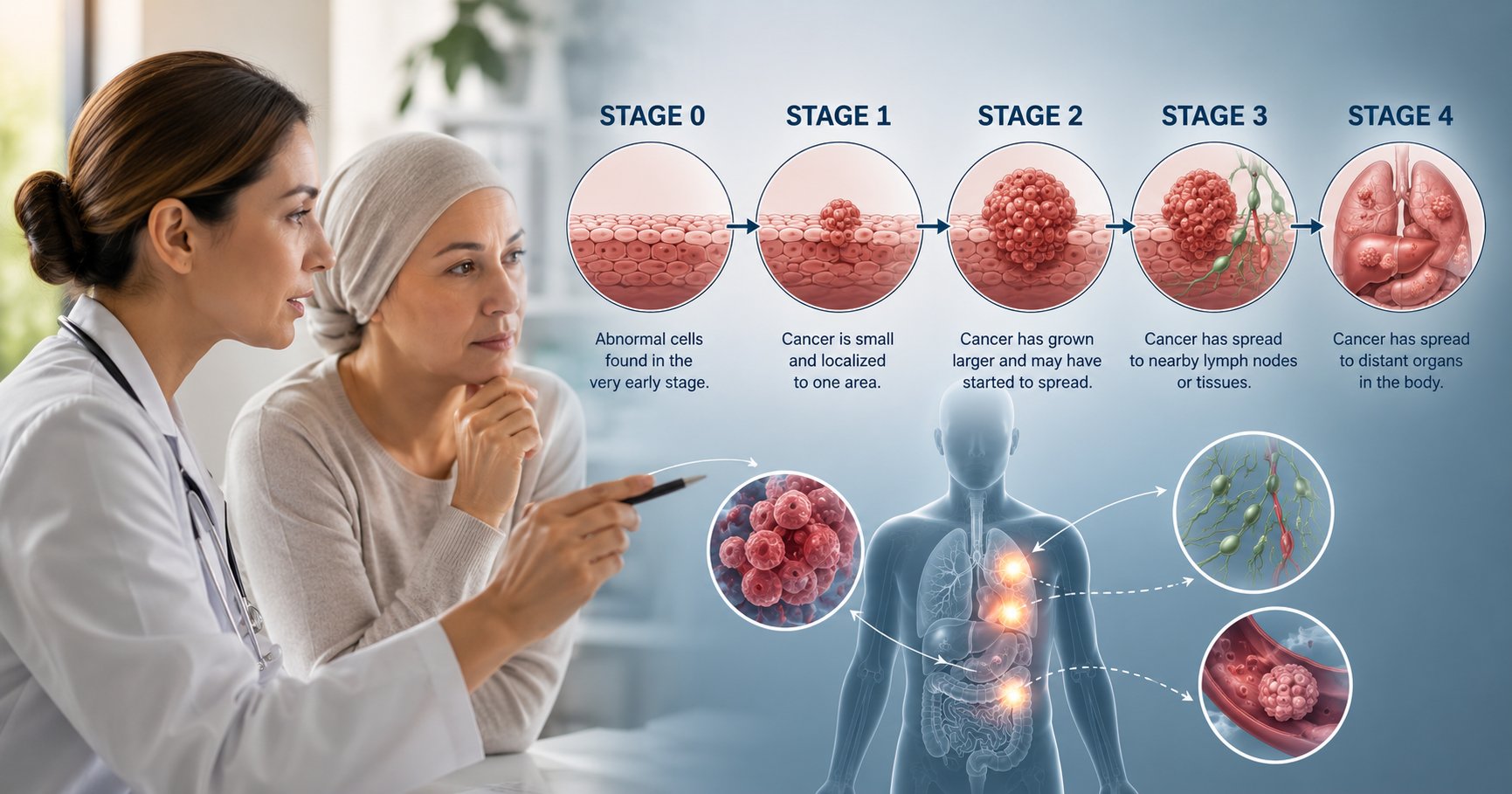
Late diagnosis and limited screening mean many cancers are caught at advanced stages, worsening survival.
This last point is crucial. In many parts of the region, cancers are found too late, when they are far harder to treat. To understand how experts track and study these patterns in the first place, our explainer on what epidemiology is in public health offers helpful background.
The Hopeful Side, Much of This Is Preventable
Here is the message that the raw numbers can hide. A very large share of this cancer burden is preventable or treatable, especially when caught early. That is genuinely encouraging.
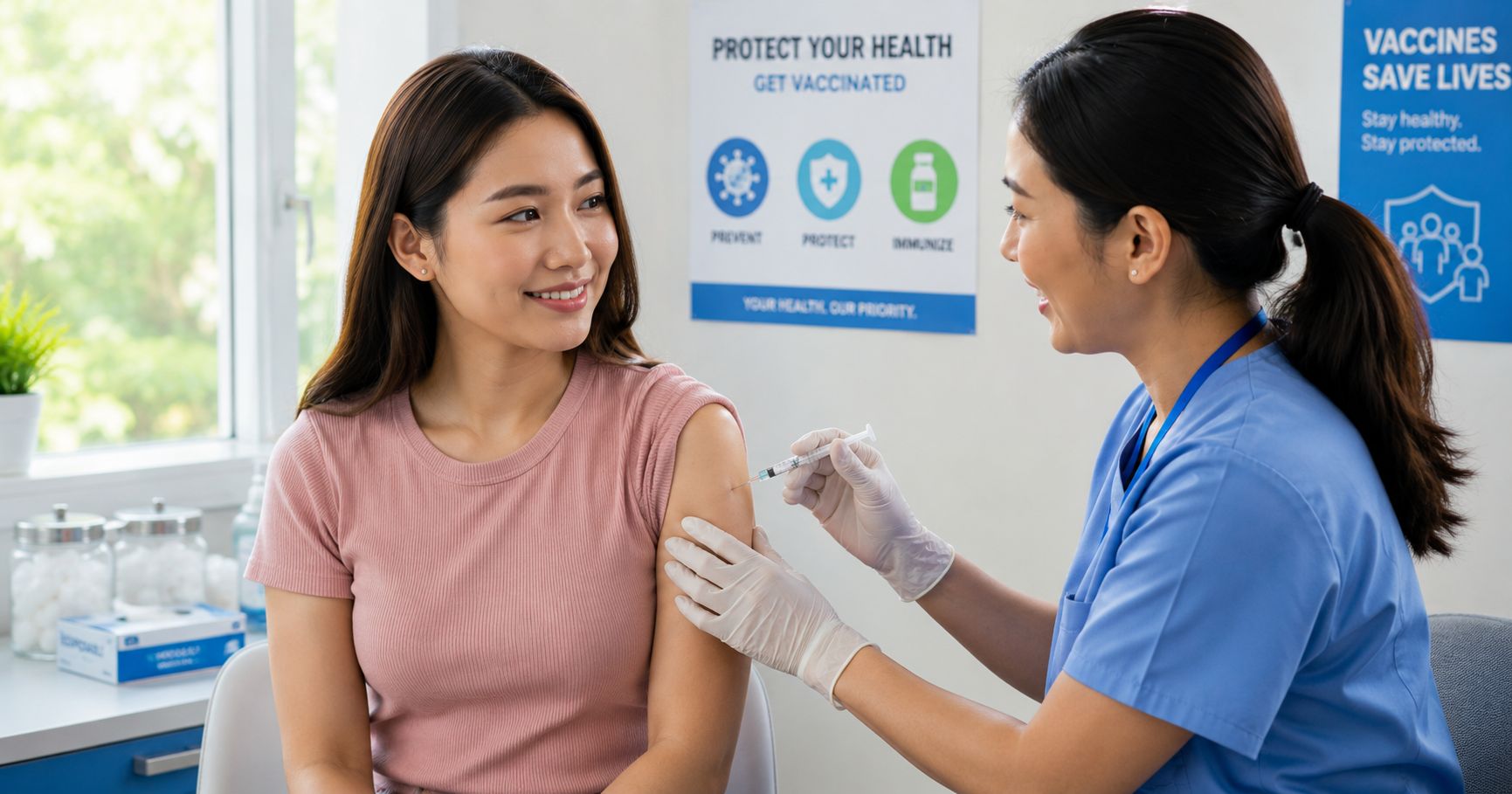
Many of the region’s biggest cancers are linked to factors we can act on. Tobacco control reduces lung cancer. Vaccination against HPV and hepatitis B can prevent the infections behind cervical and liver cancer. Screening catches breast, cervical, and colorectal cancer early, when treatment works best. And healthy lifestyle choices lower the risk of many cancers at once. For instance, staying active is linked to lower cancer risk, as we discuss in our guide on strength training and why it matters, and being mindful of diet helps too, including watching out for hidden sugar in everyday foods that contributes to weight gain. The same lifestyle shifts driving cancer are also fueling other conditions in the region, as seen in the rise of kidney failure among young adults, which underlines how connected these health challenges are.
What It Means for You
It is easy to feel small against numbers this large. But the most important takeaway is deeply personal, because your own choices genuinely shift your odds.
The regional data points to a clear set of actions for individuals. Do not smoke, or seek support to quit. Ensure eligible family members receive the HPV and hepatitis B vaccines. Keep a healthy weight, eat a balanced and largely plant-based diet, and stay active. Just as importantly, take part in any screening recommended for your age, and never ignore persistent warning signs. The long, healthy lives seen in places like Singapore show what is possible, a theme we explore in our look at Singapore’s longevity and blue zone habits. Prevention and early detection truly are powerful.
The Bottom Line
The Southeast Asia cancer statistics paint a serious picture. More than 1.1 million new cases a year, led by breast cancer in women and lung cancer in men, with liver and cervical cancer still taking a heavy toll, and a burden projected to nearly double by 2050.
Yet behind every number lies an opportunity. So much of this burden is preventable through vaccination, tobacco control, healthy living, and early screening. For the region as a whole, that means investing in prevention and care. For you as an individual, it means the choices you make every day matter. The numbers are a warning, but they are also a roadmap to a healthier future.