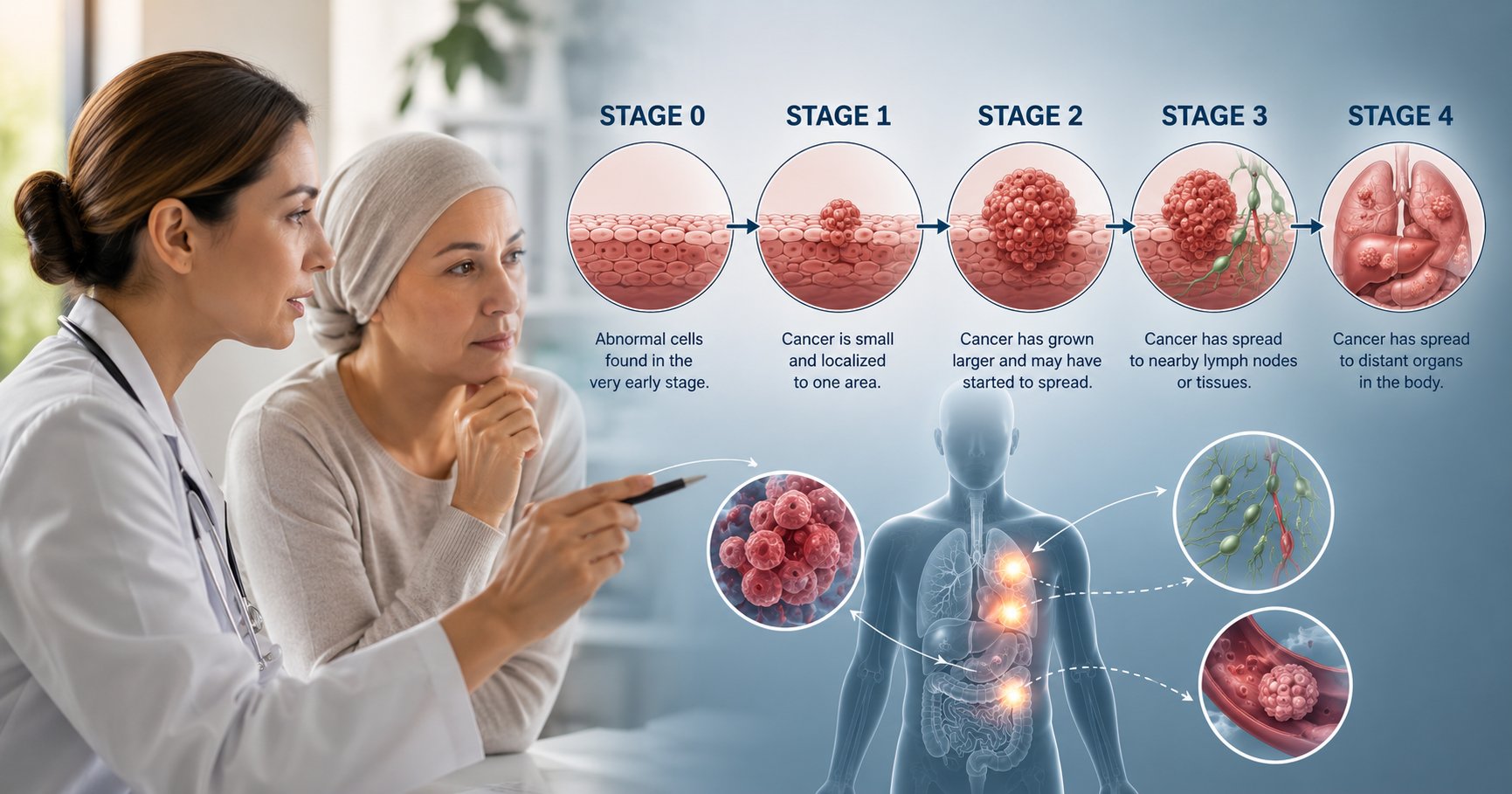
Cancer is one of the greatest health challenges facing Europe, ranking as the second leading cause of death after cardiovascular disease. But behind that sobering fact lies a story that is more hopeful than many people expect.
What do the latest Europe cancer statistics actually show? Understanding them reveals which cancers are most common, how the burden differs across the continent, and, encouragingly, how much progress is being made. This article breaks down the most recent data and the key trends shaping cancer in Europe through 2025. The numbers are serious, but they also point to real and measurable progress.
A Quick Note on the Data
Before the numbers, a brief word on where they come from, so you can read them with confidence. Cancer data across a whole continent takes time to gather, so the most complete figures usually reflect the previous year or two.
The leading sources here are the European Cancer Information System, run by the European Commission’s Joint Research Centre, and the International Agency for Research on Cancer, part of the World Health Organization. Incidence figures reflect the most recent estimates available, while mortality projections have now been modelled for 2026. Two simple terms also help. Incidence means how many new cases occur, while mortality means how many deaths. They do not always move in the same direction, and in Europe that difference tells an important story.
The Big Picture, Cancer in the European Union
Let us start with the scale. The sheer number of people affected each year across the European Union is striking.
So which cancers drive these numbers? The leading types differ between men and women, but a handful dominate the overall picture.
Among women, breast cancer is by far the most common. According to the Joint Research Centre, breast cancer accounts for 29 percent of all cancer diagnoses in women, with an estimated 360,000 women diagnosed in a single year, followed by colorectal, lung, uterine, and skin melanoma. Among men, prostate cancer leads at around 22 percent of diagnoses, followed by lung, colorectal, bladder, and kidney cancers.
Mortality, however, tells a different story. When it comes to deaths, lung cancer is the leading cause, responsible for nearly 20 percent of all cancer deaths, followed by colorectal at around 12 percent, then pancreatic and breast cancer. This gap between which cancers are most diagnosed and which are most deadly is one of the most important things to understand. A cancer like breast can be common yet increasingly survivable, while lung cancer is diagnosed less often but remains far harder to treat.
A Continent Divided, East Versus West
One of the most striking features of the European data is how unequal it is. Where you live on the continent significantly affects your cancer outlook.
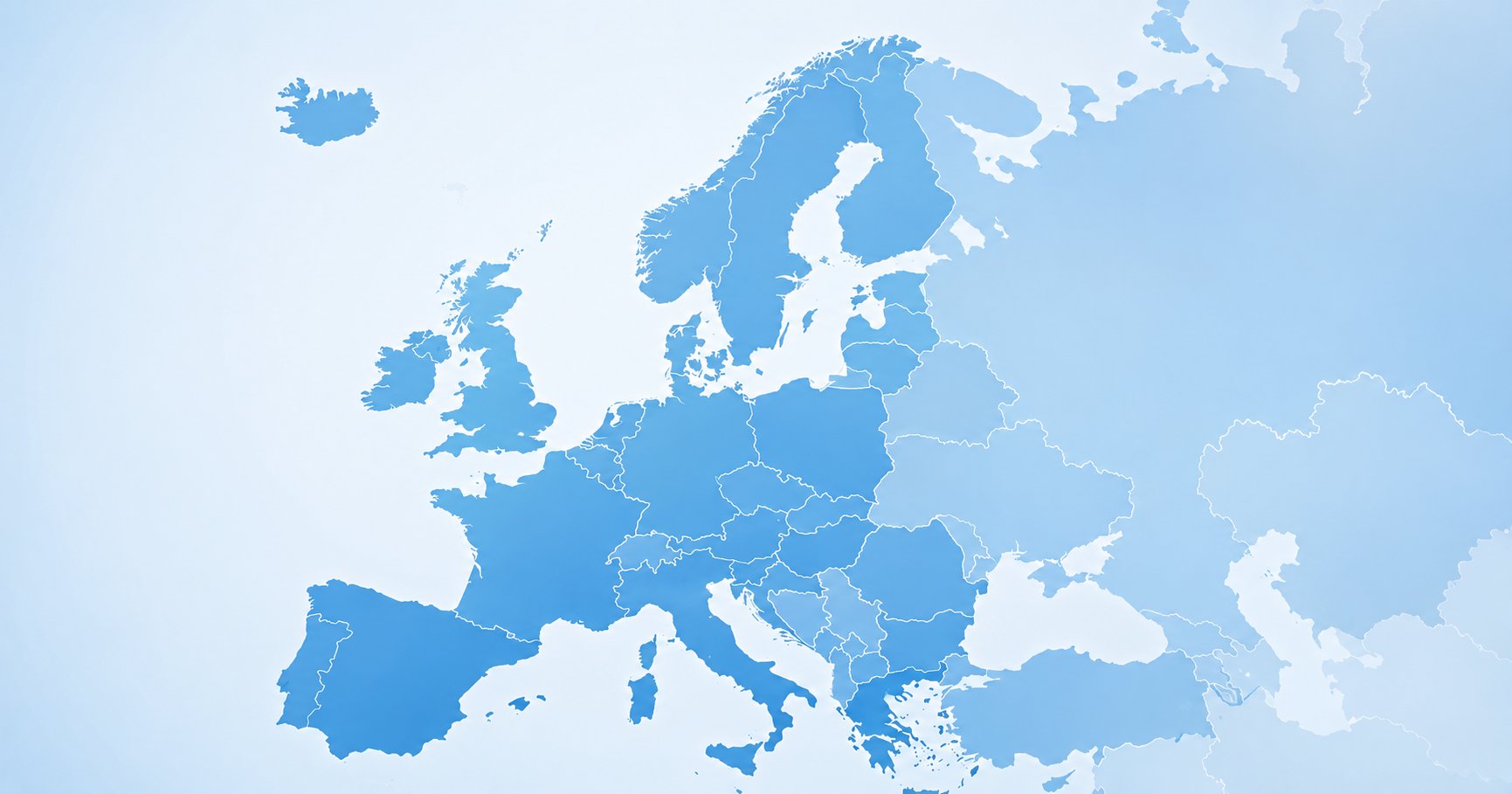
Mortality rates are consistently highest in Central and Eastern European countries, and lower across much of Western and Northern Europe. According to the OECD, the average cancer mortality rate in the EU is around 235 per 100,000 people, but it ranges from about 200 per 100,000 in Malta and Luxembourg to about 310 in Hungary and Croatia. These differences reflect a mix of factors, including how many people take part in screening programmes, differing lifestyle risks like smoking, and the capacity of each healthcare system for early detection. There are also marked inequalities within countries, with higher cancer mortality among people with lower education and income.
The Hopeful Side, Death Rates Are Falling
Now for the genuinely encouraging part, and it is significant. Even though the total number of cancer cases keeps rising, the rate at which people die from cancer has been steadily falling.
Researchers projecting cancer mortality for 2026 estimate that age-standardized death rates continue to decline for both men and women. They predict around 1.23 million cancer deaths in the EU in 2026, with rates down roughly 8 percent for men and 6 percent for women compared with 2020 to 2022. Strikingly, the same researchers calculate that since 1988, about 7.3 million cancer deaths have been averted in the EU. A notable development this year is that female lung cancer death rates, after rising for more than 25 years, are finally levelling off in most EU countries. This progress is the direct result of better prevention, more widespread screening, earlier detection, and major advances in treatment. It is powerful proof that action against cancer works.
Why Total Cases Keep Rising Anyway
If death rates are falling, why does the overall burden keep growing? This is a common and important question, and the answer is mostly about age.
Europe has an aging population, and age is the single biggest risk factor for most cancers. As more people live longer, more cancers are diagnosed, even as each individual’s odds of surviving improve. On top of this, the number of new cancer cases in the EU is projected to keep climbing in the coming years. So the challenge is not that we are losing ground against cancer itself, but that demographic change is increasing the sheer number of cases that health systems must handle.
A Worrying Trend, Cancer in Younger Adults
Alongside the aging picture, there is one trend that has researchers paying close attention. Cancer is slowly rising among younger adults.
In Europe, as in other wealthy regions, the incidence of certain cancers in people under 50 has been increasing, particularly early-onset breast, thyroid, and colorectal cancers. This mirrors a pattern seen globally and is thought to be linked to factors like rising obesity, diet, and lifestyle changes. It is a reminder that cancer is not only a disease of old age, and that awareness matters at every stage of life.
What Is Driving the Numbers?
To respond well, it helps to understand the main forces behind these trends. Several key risk factors stand out across Europe.
Tobacco use remains the leading preventable cause, driving lung cancer in particular.
An aging population steadily increases the total number of cases.
Lifestyle factors such as obesity, poor diet, physical inactivity, and alcohol contribute to many cancers.
Screening and early detection gaps, which vary widely between countries, strongly influence survival.
This last point helps explain the East-West divide, since access to screening and quality care differs so much across the continent.
The Hopeful Side, Much of This Is Preventable
The clearest message in the European data is that a large share of the cancer burden can be prevented or caught early. That is genuinely empowering, both for governments and for individuals.
Europe’s Beating Cancer Plan is working to expand screening for breast, colorectal, and cervical cancers, and to widen vaccination against cancer-causing infections. Many of the biggest cancers are linked to factors we can act on. Staying active is tied to lower cancer risk, as we explore in our guide on strength training and why it matters, and diet plays a major role too, including being mindful of hidden sugar in everyday foods that drives weight gain. The same lifestyle shifts behind rising cancer are also fueling other conditions, as seen in the rise of kidney failure among young adults. For a sense of how these patterns compare elsewhere, our breakdown of Southeast Asia cancer statistics offers a useful contrast, and the long, healthy lives seen in places like Singapore, covered in our look at Singapore’s longevity and blue zone habits, show what prevention can achieve.
What It Means for You
It is easy to feel small against numbers this large. But the most important takeaway is deeply personal, because your own choices genuinely shift your odds.
The European data points to a clear set of actions for individuals. Do not smoke, or seek support to quit. Keep a healthy weight, eat a balanced and largely plant-based diet, stay active, and limit alcohol. Just as importantly, take part in any screening offered for your age, and never ignore persistent warning signs. The steady fall in cancer death rates across Europe shows that these efforts genuinely pay off, both for society and for you.
The Bottom Line
The Europe cancer statistics paint a picture of both challenge and progress. Around 2.6 million new cases a year, led by breast cancer in women and prostate cancer in men, with lung cancer the deadliest of all, and a rising total burden driven by an aging population.
Yet the most important trend is a hopeful one. Cancer death rates are falling thanks to prevention, screening, and better treatment, with around 7.3 million deaths already averted since the late 1980s. For Europe as a whole, that means continuing to invest in prevention and equal access to care. For you as an individual, it means the choices you make every day truly matter. The numbers are a warning, but above all they are proof that progress is possible.