When Comfy Became Cool
Something interesting has happened in the world of footwear. The chunky, cushioned, supportive sneakers once dismissed as frumpy dad shoes are now genuinely fashionable. Comfort has become genuinely cool, and our feet are watching with real interest.
Orthopedic-inspired styles that used to look clinical now come in sleek, genuinely on-trend designs, and comfort sneakers are everywhere. But this raises a fair question for anyone tempted to jump on the trend. Comfort sneakers are booming, but are they actually good for your feet? The reassuring answer is mostly yes, but with one important catch that catches many people out. Here is what podiatrists want you to know.
The Rise of the Comfort Sneaker
First, a quick look at how we got here, because the shift is remarkable. Supportive shoes have undergone a genuine style makeover. The change is more than skin deep.
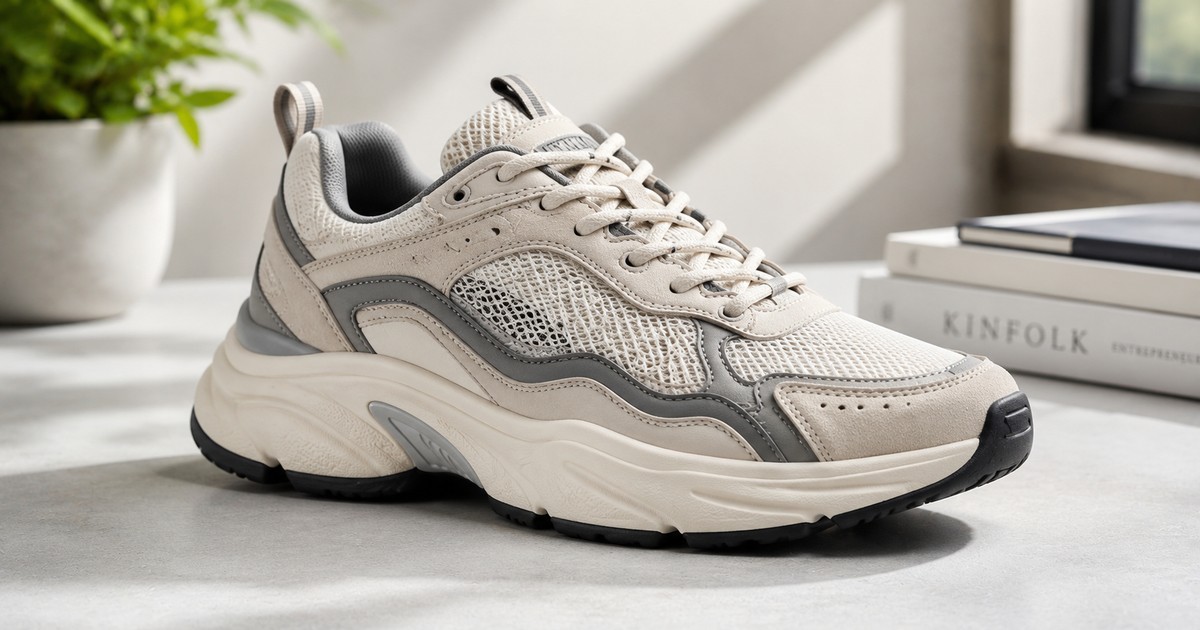
For years, shoes that were good for your feet tended to look bulky and unfashionable. That has changed dramatically. As footwear experts note, orthopedic styles have come a long way, with fashion-forward designs that look great while feeling great. The retro dad-shoe aesthetic now pairs happily with jeans and joggers, and brands are competing to blend real support with real style. Celebrities and social media have helped fuel the look, turning chunky, cushioned sneakers into a genuine style statement. For once, a major fashion trend actually aligns with what podiatrists have recommended all along.
The Good News, Many Are Genuinely Foot-Friendly
So let us start with the positive, because there is a lot of it. Many comfort sneakers are built around features that podiatrists genuinely love. This is a rare case of fashion and health agreeing.
A well-designed comfort sneaker often includes the very things foot experts recommend. According to podiatrists, these shoes tend to distribute weight evenly and offer good arch support, deep heel cups, and cushioning, all helpful for pain relief and proper alignment. Many also feature roomy toe boxes and removable insoles that can fit custom orthotics. These are exactly the qualities we champion in our guide on how to choose healthy shoes. When a trendy sneaker includes them, it is a real win, because you get the support of a medical-grade shoe in a pair you will genuinely want to wear.
Why This Trend Is a Win for Foot Health
Beyond the individual features, there is a bigger reason to celebrate this trend. It makes supportive footwear something people actually want to wear. That matters more than you might think.
In the past, many people avoided supportive shoes purely because they looked unattractive. Now that comfort sneakers are stylish, more people are choosing footwear that genuinely helps their feet. This is especially good news for anyone managing conditions like plantar fasciitis, arthritis, bunions, or flat feet, since supportive cushioned sneakers can ease their symptoms. For those with heel pain in particular, the right pair can make a real difference, a topic we explore in our guide on shoes for plantar fasciitis. Style and foot health no longer have to be in conflict.
But Here Is the Catch, Soft Is Not Supportive
Now for the crucial catch, and it is the single most important thing to understand about this trend. Not every comfort sneaker is actually good for your feet. Comfort can be deceiving.
The key mistake is assuming that soft automatically means supportive. It does not. As one podiatry clinic warns, many shoes feel comfortable because they are soft, but that softness can actually make foot conditions worse over time. A shoe that feels like a marshmallow in the store may lack the structure your feet need, allowing them to sink, roll, and fatigue. Over hours and days, that missing support can leave your arches, heels, and joints working harder than they should. This lack of support can quietly contribute to problems, echoing the wider issue in our guide on how the wrong shoes affect your whole body.
The Cushioning Question
This brings us to cushioning, which sits at the heart of the comfort sneaker trend. More cushion is not always better. Balance is what counts.
While cushioning absorbs shock and feels wonderful, an extremely soft, thickly padded shoe can sometimes feel unstable underfoot and change the way you move. Think of standing on a firm mattress versus a very soft one, too much give can leave you working to stay balanced. The ideal is cushioning paired with structure, not softness alone. This is the same tension we unpack in our guide on the debate over maximalist vs minimalist running shoes. A good comfort sneaker cushions your step while still keeping your foot stable and supported, giving you the best of both worlds rather than plushness at the expense of control.
How to Tell a Genuinely Good Comfort Sneaker
So how do you separate a truly supportive comfort sneaker from a soft but flimsy one? A few quick checks reveal the truth. They take only a moment in the store.
Look for these signs of genuine support:
- Real arch support that you can feel holding your foot, not just soft padding
- A firm heel counter, so the cup at the back does not collapse when you press it
- A stiff midsole that bends at the ball of the foot, not folding in half through the middle
- A roomy toe box that lets your toes spread, a feature we cover in our guide on why toe box width matters
- A removable insole, which signals you can add orthotics if needed
- Supportive, not mushy, cushioning that has some structure to it
Many quality options also carry a seal of acceptance from a podiatric association, which is a helpful marker of foot-friendly design.
Do Not Judge by the In-Store Feel Alone
One habit is worth breaking when shopping for comfort sneakers. The first squishy step in the store is not the whole story. A little skepticism protects you.
That immediate cloud-like feeling can be misleading, since real support reveals itself over hours of wear, not seconds. In fact, some genuinely supportive shoes with orthotic footbeds take a week or two to feel fully comfortable as your feet adjust. So rather than choosing purely on that first plush sensation, run the quick structure checks above and pay attention to fit, aiming for a thumb’s width of toe room and a secure heel. A shoe that is both structured and correctly fitted will serve your feet far better than one that simply feels soft.
Especially Helpful for Certain Feet
While comfort sneakers can suit almost anyone, some groups stand to benefit the most from this trend. For them, the right features are not just nice to have. They are genuinely protective.
People with diabetes or neuropathy, for instance, benefit enormously from cushioned, seamless, roomy shoes that reduce pressure and friction, features that overlap heavily with purpose-built therapeutic footwear, as we explain in our guide on diabetic shoes. Older adults gain from the stability and grip that quality comfort sneakers provide, which supports steadier walking and fewer falls. People with arthritis or plantar fasciitis often find that the cushioning eases painful pressure points and hard impacts. And anyone who spends long hours on their feet will feel the difference that real cushioning and support make by the end of the day. For these groups, a stylish comfort sneaker with genuine structure is a small change that pays off in a big way.
Match the Shoe to Your Feet
Finally, remember that the perfect comfort sneaker is a personal thing. What suits one person may not suit another. Your own feet are the ultimate guide.
The right amount of support depends on your foot type, your activity, and any conditions you have, which is part of the ongoing conversation we explore in our guide on whether you really need arch support. Someone with flat feet may need firm structure, while another person does better with a more flexible shoe. If you have persistent foot pain or a specific condition, it is worth having a podiatrist assess your feet so your stylish new sneakers actually work for you, not against you.
The Bottom Line
So, are trending comfort sneakers good for your feet? For the most part, this is a trend to celebrate. Many comfort sneakers offer the arch support, cushioning, roomy toe boxes, and stability that podiatrists recommend, and their newfound style means more people are finally wearing supportive shoes.
The one catch is simple but vital. Soft is not the same as supportive. Do not judge a shoe by its plush in-store feel alone. Check for real arch support, a firm heel counter, a stable midsole, and a proper fit, and match the shoe to your own feet. Get that right, and you can enjoy looking good and feeling good, from the ground up. This trend proves that healthy feet and great style were never really at odds after all.