The Great Running Shoe War
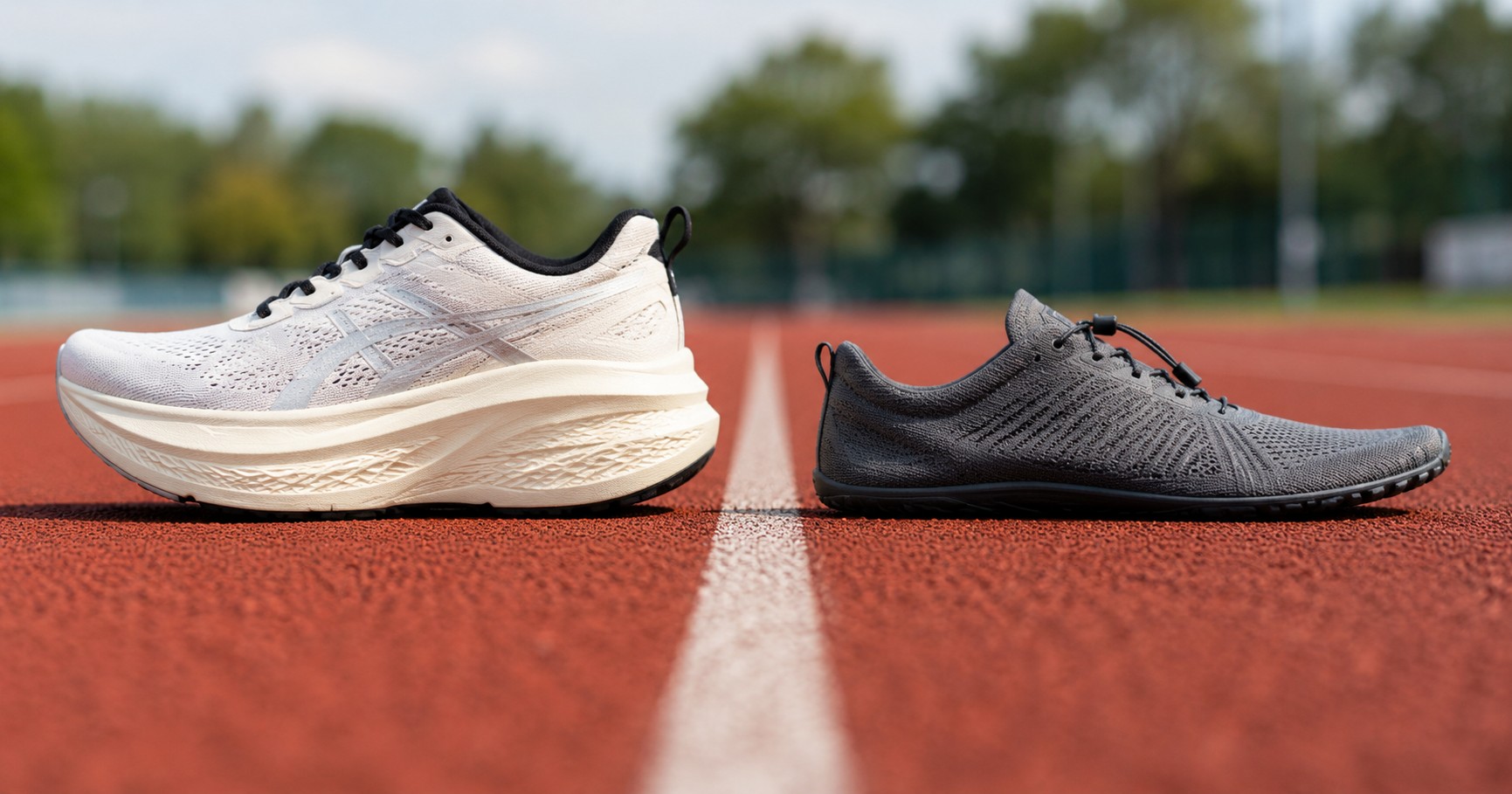
Walk into any running store, and you will be faced with two dramatic extremes. On one side sit minimalist shoes, thin, light, and flexible, designed to feel almost like running barefoot. On the other side sit maximalist shoes, stacked with thick, pillowy cushioning built to soak up every impact.
This is the heart of the maximalist vs minimalist shoes debate, and few topics divide the running community more fiercely. Some runners swear that stripped-down minimalist shoes fixed their form and strengthened their feet. Others insist that plush maximalist shoes saved their knees and let them run pain-free. So which is actually better? The honest, evidence-based answer is more surprising and more nuanced than either camp admits.
Two Philosophies, Two Extremes
To understand the debate, you first need to understand what each type is trying to achieve. They represent opposite beliefs about how we should run. The gap between them is wide.
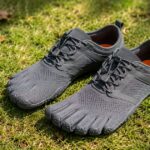
Minimalist shoes strip everything back. They feature thin, flexible soles, a low or zero heel-to-toe drop, and little cushioning or arch support. The philosophy is that this lets your feet move naturally and grow stronger. Maximalist shoes take the opposite approach, piling on thick, soft cushioning to maximize shock absorption and comfort, with brands like Hoka leading the trend. In between sits the traditional neutral running shoe, offering a moderate, balanced amount of cushioning. Each design reflects a genuinely different theory of what feet need.
The Case for Minimalist Shoes
Let us start with the argument for going minimal, which has passionate supporters. The appeal is rooted in the idea of natural movement. There is real logic behind it.
Advocates argue that minimalist shoes promote a more natural running gait, often encouraging a midfoot strike rather than a heavy heel strike. By removing support, they force the muscles of your feet and lower legs to work harder, which can build strength over time. This is the same philosophy behind barefoot footwear, which we explore in our guide on whether barefoot shoes are good for you. Interestingly, some research even suggests a full minimalist design may reduce loading at the knee, hip, and lower back, and building foot strength through movement, as covered in our guide on strength training and why it matters, supports this approach.
The Case for Maximalist Shoes
Now for the other camp, which is currently winning the popularity contest. Maximalist shoes appeal to runners who prioritize comfort and protection. Their logic is just as intuitive.
The thick, cushioned midsole is designed to absorb the repeated impact of running, which many runners find more comfortable, especially on hard pavement. This makes maximalist shoes popular for long runs, recovery days, and for heavier runners who value extra shock absorption. Research also supports a comfort angle. One study in Footwear Science found that runners who were sensitive to pain at the heel and midfoot preferred the more cushioned shoe. For anyone dealing with certain kinds of foot pain, that cushioning can be genuinely welcome, a theme in our guide on shoes for plantar fasciitis.
Where It Gets Interesting, the Research Surprises
Here is where the debate takes some unexpected turns. When you dig into the actual studies, neither side gets a clean victory. Both come with surprises.
Take minimalist shoes first. A landmark randomized controlled trial found that runners switching to minimalist shoes faced complications. The study reported that runners in a full minimalist shoe experienced greater shin and calf pain than the other footwear groups, leading researchers to urge caution. But there is a crucial catch. That study measured the risk of suddenly switching to minimalist shoes, not the inherent danger of minimalism itself, since it excluded experienced minimalist runners. The transition, it seems, is the real hazard.
The Cushioning Paradox
Maximalist shoes hold a surprise of their own, and it challenges their whole selling point. More cushioning may not mean more protection. This finding raised eyebrows across the running world.
A 2018 study in the Journal of Athletic Training found that runners in maximalist shoes actually showed increased loading rates compared with neutral shoes. In other words, the impact forces going through their bodies went up, not down. The likely explanation is a kind of cushioning paradox. When your feet feel heavily protected, you tend to strike the ground harder, creating a false sense of security. So the very softness that feels reassuring may encourage a more punishing stride. It is a useful reminder that how a shoe feels and what it actually does are not always the same thing.
So the Research Is Genuinely Mixed
After weighing these findings, the honest conclusion is that neither extreme is a clear winner. The evidence is genuinely mixed, and context matters enormously. This is a case where nuance rules.
Different studies point in different directions. Some praise the natural gait patterns of minimalist shoes, while others highlight their injury risks. One line of research even suggests minimalist shoes may lower the risk of knee injuries while raising the risk of ankle and calf injuries. There is simply no one-size-fits-all answer. Your body, your running history, and your individual mechanics all shape how a given shoe will treat you. The exciting, and frustrating, truth is that the best shoe is deeply personal.
The Real Answer, It Depends on You
So if the science will not crown a champion, how should you choose? The most useful approach shifts the question from which is better to which is better for you. Several personal factors come into play.
Your foot type, running style, experience level, injury history, and training goals all matter. So does simple comfort, which research increasingly treats as a meaningful guide rather than a guess. If a shoe genuinely feels good and lets you run without pain, that is a strong signal it suits you. This mirrors the wider principle in our guide on how to choose healthy shoes, and it connects to the ongoing debate about whether runners even need built-in support, which we cover in our guide on whether you really need arch support.
The Smartest Strategy, Rotate Your Shoes
Here is a practical insight that often gets lost in the maximalist versus minimalist shouting match. You may not have to choose just one at all. Variety itself is powerful.
Research from 2013 found that running in multiple different shoe models actually reduces injury risk, likely because varying your footwear spreads the stress across different structures instead of hammering the same ones every run. This points to a smart rotation strategy. You might use maximalist shoes for long runs and recovery days, a neutral shoe for tempo runs and general training, and short, easy runs in minimalist shoes to build foot strength gradually. Instead of picking a side, you get the benefits of each.
If You Try Minimalist, Transition Slowly
Given the research on switching, one piece of advice stands out above all for anyone drawn to minimalist shoes. Do not make the change overnight. Patience protects you from injury.
Because your feet, calves, and Achilles tendons are not conditioned for the sudden change, rushing into minimalist shoes is exactly what the studies link to shin pain, calf strain, and other injuries. Ease in over many weeks, starting with short, easy runs and gradually building up, while strengthening your feet along the way. Getting the right fit for running matters too, a topic we cover in our guide on the right shoe size for sports. Treat the transition as its own training project, not a flip of a switch.
Do Not Forget to Replace Them
Whichever camp you land in, one factor affects both equally. Cushioning does not last forever, and worn-out shoes lose their benefits. This is easy to overlook.
The foam in any running shoe, especially the thick midsoles of maximalist models, compresses and breaks down over time, typically within a few hundred miles. Once it does, the protection you paid for is largely gone, even if the shoe still looks fine. Running in dead shoes is a common and avoidable cause of aches and injury, which is why we recommend tracking their mileage, as explained in our guide on how often to replace your shoes. Fresh shoes are part of staying healthy.
The Bottom Line
In the maximalist vs minimalist shoes debate, there is no universal winner. Minimalist shoes may strengthen your feet and encourage a natural stride, but carry transition risks. Maximalist shoes offer comfort and shock absorption, yet may subtly increase impact forces. The research is genuinely mixed, and the right choice depends on you.
Rather than joining one camp, let comfort, your running history, and your goals guide you, and consider rotating between shoe types to get the best of both. If you go minimalist, transition slowly and patiently. Replace your shoes when the cushioning fades. And if pain persists, check in with a professional. The perfect running shoe is not a brand or a philosophy. It is the one that keeps you running happily.