The Little Gadget Taking Over Your Feed
If you spend any time on TikTok or in barefoot and foot-health circles, you have almost certainly seen them. Small silicone devices wedged snugly between the toes, worn while relaxing, sleeping, or even working out. They are called toe spacers, and they have exploded in popularity.
The claims around them are big. Fix your bunions, realign your crooked toes, banish years of foot pain, all from your living room. It sounds almost too good to be true, which naturally raises the question. Are toe spacers actually worth it, or are they just another viral trend? The honest answer, according to the evidence and to podiatrists, is refreshingly balanced. They are neither a miracle nor a scam.
What Are Toe Spacers?
Let us start with the basics, since the concept is simple. Toe spacers do exactly what the name suggests. They separate your toes.
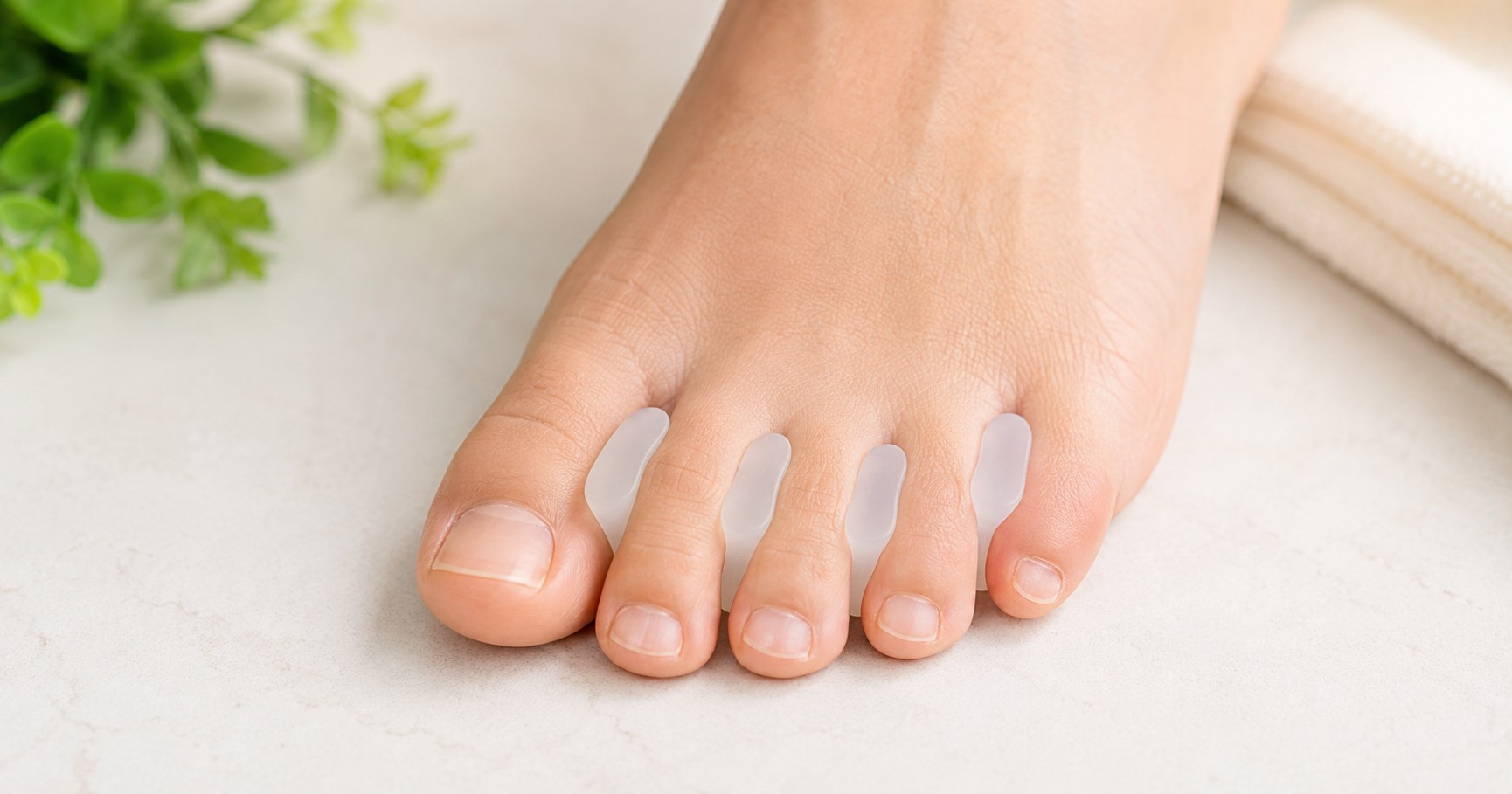
Also called toe separators, they are soft silicone or gel devices worn between the toes to gently splay them into a more natural, spread-out position. The thinking behind them is straightforward. Many modern shoes, with narrow, tapered toe boxes, squeeze our toes together for hours a day. Toe spacers are designed to counteract that crowding, encouraging the toes to sit the way nature intended. It is essentially a way to undo, at least temporarily, the squeezing that our footwear so often imposes.
The Big Claims Versus Reality
Before looking at the benefits, it is worth setting expectations, because this is where most of the confusion lies. Social media tends to oversell. The reality is more measured.
Online, toe spacers are often marketed as a cure that will permanently realign your toes and reverse bunions. Podiatrists are far more cautious. As one podiatry review puts it, current research supports short-term comfort benefits but shows no evidence of lasting structural correction. In other words, toe spacers can genuinely help in certain ways, but not always for the dramatic reasons the ads suggest. Understanding that gap between hype and evidence is the key to deciding whether they are right for you.
What Toe Spacers Can Do, Backed by Evidence
So let us focus on what the science actually supports, because it is genuinely encouraging. Used correctly, toe spacers offer several real benefits. These are the reasons podiatrists do recommend them to certain patients.
Here is where the evidence is on their side:
- Reducing pain and improving comfort, particularly for people in the early stages of bunions
- Relieving friction between toes, which helps prevent blisters, corns, and the discomfort of crowded toes
- Easing neuroma symptoms, since separating the toes can take pressure off irritated nerves
- Improving toe splay, flexibility, and balance over time with regular use
Research backs this up. A systematic review has found that using toe spacers can lower pain and may improve the bunion angle with frequent use. For comfort and symptom relief, they are a legitimate tool.
What Toe Spacers Cannot Do
Now for the essential reality check, and this is the part the viral videos leave out. There are firm limits to what a piece of silicone can achieve. Managing your expectations here is crucial.
The most important thing to understand is that toe spacers will not reverse a bunion. A bunion is a structural change in the bones of the foot, and as podiatrists emphasize, once a bone changes position, it cannot be pushed back by silicone. Nor will spacers correct a hammertoe once the joint has stiffened, or create permanent changes to your foot’s shape. They also cannot replace proper footwear or orthotics. They are a helpful tool for managing symptoms, not a cure for structural deformities, which may ultimately require surgery.
The Bunion Question
Because so many people buy toe spacers specifically hoping to fix bunions, this deserves a clear answer. It is the number one thing people want to know. The truth is nuanced but important.
No, toe spacers cannot structurally reverse a bunion. But that does not make them useless for bunion sufferers. Podiatrists note that toe spacers can slow the progression of an early bunion and reduce the associated discomfort, especially when used as part of a broader conservative plan. In fact, one study supported their use in the initial treatment of symptomatic bunions. Think of them as a way to manage symptoms and potentially slow things down, not as a substitute for medical care when a bunion becomes severe.
They Work Best as Part of a Bigger Plan
Here is a theme that runs through all the expert advice. Toe spacers are rarely effective on their own. They are one piece of a larger puzzle. Combining them with other habits is what delivers results.
Podiatrists consistently recommend pairing toe spacers with supportive changes to how you treat your feet. That means choosing footwear with a wide toe box that lets your toes spread, a topic we explore in our guide on why toe box width matters for foot health, and avoiding the narrow, restrictive shoes that cause crowding in the first place. Learning to pick genuinely supportive footwear, using the principles in our guide on how to choose healthy shoes, makes a real difference here. It also means strengthening your feet with targeted exercises, which complements the work spacers do, an idea that connects to our guide on strength training and why it matters. Used within this bigger picture, spacers become far more valuable.
A Word for the Barefoot Crowd
Toe spacers have found an especially devoted following in the barefoot and minimalist footwear community, and it is easy to see why. The philosophies align neatly. They share a common goal.
Barefoot enthusiasts prize natural toe splay and foot strength, the very things toe spacers aim to encourage. For these users, spacers are often used alongside minimalist shoes to help retrain the feet toward a more natural shape and function. If this world interests you, our guides on whether barefoot shoes are good for you and the debate over maximalist vs minimalist running shoes explore the same philosophy in depth, as does our look at whether you really need arch support. Toe spacers can be a low-cost companion to that approach, though the same principle applies. They work best as part of a broader routine.
How to Use Toe Spacers Safely
If you decide to try them, using toe spacers correctly matters just as much as choosing them. More is not better, and rushing can backfire. A gradual, gentle approach is best.
Podiatrists generally recommend starting slowly, with around 15 to 30 minutes a day, then gradually building up to one or two hours as your feet adapt. Crucially, spacers should create a feeling of gentle stretch, never sharp pain. If you feel pain or notice skin irritation, reduce your wearing time. Consistency is what brings results, so regular use over several weeks tends to help far more than occasional wear. Soft silicone spacers are the most comfortable option for most people, and it is wise to build up before wearing them for longer stretches or overnight.
Who Should Be Careful or Avoid Them
Toe spacers are low risk for most healthy people, but they are not right for everyone, and misuse can cause harm. Certain groups need to be especially cautious. This is where a professional opinion matters most.
People with diabetes, peripheral neuropathy, or poor circulation should be careful or avoid spacers, since reduced sensation means a pressure injury could go unnoticed. You should also avoid wearing them over broken or irritated skin. The risk is not merely theoretical. Podiatrists have reported cases of injury from misuse, including a patient who developed a fracture where a separator pressed against the toe. This is why gentle use and, for anyone with a foot condition, a check-in with a podiatrist are so important before diving in.
So, Are They Worth It?
After weighing all of this, where does it leave us? For the right person with realistic expectations, toe spacers are genuinely worth trying. The verdict hinges entirely on what you expect from them.
If you want an affordable, low-risk tool to ease toe friction, relieve mild discomfort, improve toe splay, or support your feet alongside good footwear and exercises, toe spacers can be a worthwhile addition. If you are hoping they will permanently cure bunions or realign your bones, you are likely to be disappointed. Approached as a helpful comfort and recovery aid rather than a magic fix, and paired with healthy foot habits, they earn their place.
The Bottom Line
So, are toe spacers worth it? For many people, yes, provided you understand what they realistically do. The evidence shows they can reduce pain, ease toe friction, improve flexibility and splay, and help manage early bunions, especially as part of a wider plan that includes roomy footwear and foot strengthening.
What they cannot do is reverse bunions or fix structural deformities, no matter what social media promises. Use them gently, build up slowly, and skip them if you have nerve or circulation issues without medical guidance. Seen as a smart, low-cost tool rather than a cure, toe spacers can be a genuinely helpful part of caring for your feet.