A Footwear Trend That Exploded
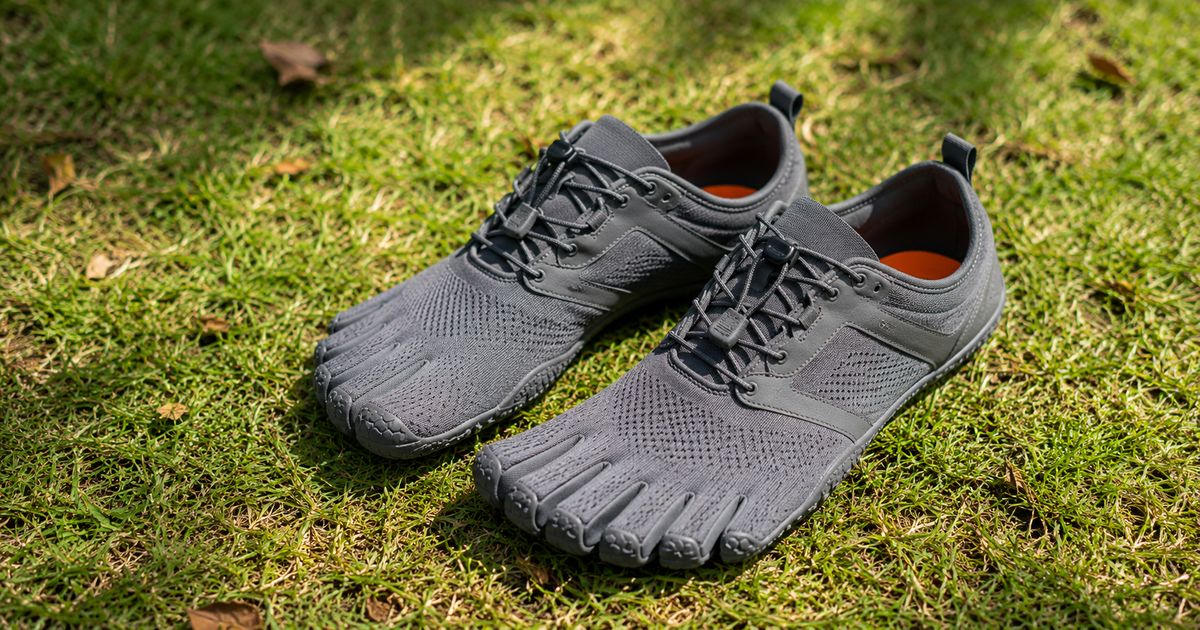
You have almost certainly seen them by now. Those thin, flexible, glove-like shoes that look as though you are barely wearing anything at all. Barefoot shoes have exploded in popularity, with brands like Vivobarefoot, Xero, and Lems turning a niche idea into a fast-growing market.
The claims are bold. Fans insist that barefoot shoes strengthen your feet, improve your posture, and fix all sorts of aches. Skeptics counter that ditching cushioning and support is a fast track to injury. So who is right? As with most things, the truth lies in the science and in the details. Here is a clear, balanced look at whether barefoot shoes are actually good for you.
What Are Barefoot Shoes?
Before weighing the evidence, it helps to define exactly what makes a shoe a barefoot shoe. They are also called minimalist or zero-drop shoes, and they share a few defining features.
A true barefoot shoe is built around four key traits. It has a zero-drop sole, meaning the heel and the forefoot sit at the same height. It features a wide toe box that lets the toes spread out naturally. The sole is thin and flexible for plenty of ground feel. And it has little or no cushioning or arch support. Together, these features are designed to let your foot move and flex almost as if you were barefoot, while still protecting your soles.
The Idea Behind Them
To understand the appeal, you need to understand the philosophy. Barefoot shoe advocates argue that conventional footwear, for all its comfort, may be doing our feet a disservice.
Standard shoes typically combine cushioned heels, narrow toe boxes, and rigid soles. As barefoot proponents point out, these features can essentially immobilize the 26 bones, 33 joints, and many muscles in each foot. The barefoot philosophy is that feet, like any other body part, grow weak when they are not used. Think of it like a muscle that has been in a cast for years, it needs to be retrained. By stripping away the support, minimalist shoes force your feet to work, which connects to the bigger idea that footwear shapes the whole body, explored in our guide on how the wrong shoes affect your whole body.
What the Science Says, the Benefits
So does the philosophy hold up? Encouragingly, research does point to some genuine benefits, especially for foot strength. Let us look at what the evidence supports.
Stronger feet
The most consistent finding is that minimalist shoes build foot strength. Because your muscles have to work harder without support, they adapt and grow. One often-cited 2018 study in Footwear Science found that wearing minimalist shoes increased foot muscle strength by around 10 percent over six months compared with traditional sneakers. Some researchers have even noted that the strengthening effect can rival that of dedicated foot exercises. This pairs well with general foot and lower-leg conditioning, a theme we cover in our guide on strength training and why it matters.
Better balance and natural toe splay
There is more to the benefits than strength alone. The thin sole increases ground feel, which can improve balance and body awareness, and some research links zero-drop shoes to better stability and even fewer ankle sprains among certain athletes. The wide toe box also lets your toes spread the way nature intended, which supports healthy foot mechanics and a more stable base. We explain why that space matters so much in our guide on why toe box width matters for foot health.
Posture and alignment
Finally, the zero-drop design may help your overall alignment. By keeping your heel and forefoot level, barefoot shoes encourage a more neutral posture from the ground up. Some people find this reduces the compensatory tension that elevated heels can create, which may ease certain types of lower back discomfort. Podiatrists note that many people, even those with bunions or plantar fasciitis, can benefit, provided they make the switch carefully.
But It Is Not All Upside
Now for the essential counterbalance. For all their promise, barefoot shoes come with real risks, and ignoring them is how people get hurt. One issue stands above all others.
The single biggest danger is transitioning too quickly. If you have spent your whole life in cushioned, supportive shoes, your feet, calves, and Achilles tendons are simply not conditioned for the sudden increase in workload. Rushing the switch can overload these structures and cause injury. Research in Clinical Biomechanics has warned that rapid transitions, particularly for people with flat feet or high arches, can strain tendons. Common transition injuries include Achilles tendonitis, plantar fasciitis, calf strain, and even stress fractures when people do too much too soon.
Who Should Be Cautious or Avoid Them
Barefoot shoes are also not suitable for everyone, no matter how careful the transition. For some people, the lack of protection is a genuine concern. It is important to know where you stand.
Podiatrists urge particular caution for certain groups. People with diabetes, neuropathy, or poor circulation should be especially careful, since the lack of protection and support makes the foot more vulnerable to injury that might go unnoticed. Those with rigid high arches, certain types of overpronation, or chronic foot pain may also be poor candidates. If you have any existing foot condition, it is wise to consult a podiatrist before making the switch, rather than diving in based on the hype.
How to Transition Safely
If you are healthy and keen to try barefoot shoes, the golden rule is patience. A slow, gradual transition is the difference between success and injury. Rushing is the most common mistake of all.
Here is how to make the switch wisely:
- Start small, wearing your barefoot shoes for just 30 to 60 minutes a day at first
- Build up gradually over several weeks or even months, not days
- Walk before you run, since running in barefoot shoes demands far more conditioning
- Strengthen your feet with simple exercises like toe spreads, calf raises, and short-foot drills
- Choose softer terrain like grass or sand early on, which is more forgiving
- Listen to your body, and ease off if you feel pain rather than pushing through
If pain persists, it is worth getting your gait assessed by a professional.
The Adjustment Period, What to Expect
Even when you do everything right, switching to barefoot shoes involves an adjustment period. Knowing what is normal and what is not helps you stay safe. Your feet are learning a new way to move.
In the early weeks, some mild calf and foot muscle soreness is completely normal, much like the ache you feel after starting any new exercise. Your feet and lower legs are simply waking up muscles they have not used much. What is not normal is sharp, persistent, or worsening pain, especially in the heel, arch, or the top of the foot. That kind of pain is a signal to slow down or stop, since pushing through it risks a real injury like a stress fracture. The key is to treat the transition as gentle training, not a test of toughness. Progress should feel gradual and sustainable, never painful.
So, Should You Try Barefoot Shoes?
After weighing it all, where does that leave you? The honest answer is that barefoot shoes can be genuinely good for many people, but they are not a miracle cure, and they are not for everyone. Context and approach are everything.
For a healthy adult with no major foot problems, a patient transition to barefoot shoes may well strengthen the feet, improve balance, and feel great. For someone with a relevant medical condition, or someone who rushes the process, they can cause harm. In that sense, the barefoot debate echoes other footwear questions, like the one we explore in our guide on whether Crocs are bad for your feet. The smartest path is to match your footwear to your feet, a principle at the heart of our guide on how to choose healthy shoes. If you plan to run in them, transition even more carefully, using the fit principles in our guide on the right shoe size for sports.
The Bottom Line
So, are barefoot shoes good for you? For many healthy feet, the science suggests they can be, offering stronger feet, better balance, natural toe splay, and improved alignment. But these benefits come with a crucial condition, which is a slow and patient transition.
Rushing the switch, or wearing them despite a condition that calls for support, is where the trouble starts. If you are curious, ease in gradually, strengthen your feet along the way, and listen to your body. And if you have any doubts or existing foot issues, check with a podiatrist first. Approached wisely, barefoot shoes can be a worthwhile step toward stronger, more natural feet. Rushed or forced, they are simply another way to get hurt, so let patience be your guide.