More Than Just Comfortable Shoes
For an older adult, the right pair of walking shoes is about far more than comfort. It can be a genuine tool for staying steady on your feet, protecting your independence, and preventing a serious fall. Few everyday choices matter quite this much.
Falls are one of the greatest health risks facing older adults, and footwear is one of the few factors we can easily control. Choosing the best walking shoes for seniors is not about finding a trendy brand. It is about understanding the specific features that improve stability and safety, then matching them to the person. This guide breaks down exactly what to look for, what to avoid, and how to get the fit right.
Why Footwear Matters More With Age
To choose well, it helps to understand how feet and balance change as we get older. Aging brings real changes that make footwear more important, not less. The stakes genuinely rise with age.
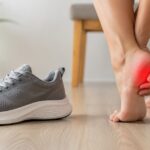
Over the years, the natural fat padding on the soles of the feet thins, arches can change, and conditions like arthritis, bunions, and neuropathy become more common. Balance, strength, and sensation often decline too. The result is that the right shoes now do therapeutic work, stabilizing each step, cushioning fragile feet, and protecting against slips. The wrong shoes do the opposite, aggravating joints and creating a tripping hazard. This is really an extension of how footwear shapes the whole body, explored in our guide on how the wrong shoes affect your whole body.
Fall Prevention Starts From the Ground Up
This brings us to the single most important reason footwear matters so much for seniors. Falls are common, serious, and often preventable. Shoes are part of the solution.
Older adults experience tens of millions of falls each year, and poorly chosen footwear is a well-documented contributor. As one senior-care guide notes, worn-out soles, floppy slip-ons, and shoes that will not stay on reliably are all documented contributors to the roughly 36 million falls that older adults experience annually. Worn soles are an especially common culprit, since they lose the grip needed to stay steady. The reassuring flip side is that better footwear is a simple, controllable safeguard.
It Is About Features, Not Brands
Before the feature list, a guiding principle. There is no single perfect shoe that suits every older adult. The right choice depends on the individual.
Marketing may push one brand, but podiatrists focus on function. The ideal shoe depends on a person’s foot shape, health conditions, activity level, and any balance concerns. So rather than memorizing brand names, learn the features that create stability and safety. Once you know them, you can recognize a supportive shoe on any shelf, and choose confidently for yourself or a loved one.
The Key Features to Look For
When evaluating walking shoes for an older adult, these are the qualities that genuinely improve stability and reduce fall risk. Prioritize as many as possible:
- A slip-resistant outsole with good rubber tread, ideally extending to the heel, for grip on smooth or wet floors
- A firm heel counter, the stiff cup at the back, which stabilizes the heel and resists ankle rolling
- A wide, stable base that gives a larger contact area with the ground
- A secure closure, since a shoe that stays fastened will not become a tripping hazard
- A snug heel with a roomy toe box, so the heel does not slip while the toes have space
- Cushioning at the heel and forefoot, which becomes therapeutic as foot padding thins
Podiatrists emphasize this exact mix, recommending a non-slip outsole, a firm heel counter that resists ankle movement, and a wide toe box at least as wide as the widest part of the foot. That toe room matters for balance, a point we explore in our guide on why toe box width matters.
A Smart Word on Closures
One feature deserves a closer look, because it makes a surprising difference to safety. How a shoe fastens matters as much as how it fits. The right closure keeps the foot secure.
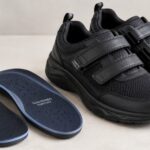
For many seniors, especially those with arthritis or reduced hand dexterity, hook-and-loop straps are considered the gold standard. They are easy to fasten, can be adjusted as feet swell through the day, and crucially, they stay closed. Traditional laces can come undone, and bending to retie them is itself a chance to fall. Hands-free slip-in designs can work well too, but only if they still have a firm heel counter to hold the foot securely. Whatever the style, the shoe must stay reliably on the foot.
A Note on Rocker Soles
Here is a piece of nuance that often gets missed, and it matters for stability. Not all rocker soles are helpful for older walkers. The degree makes all the difference.
A gentle, moderate rocker sole can smooth the heel-to-toe motion of walking and make each step easier, which benefits many seniors, particularly those with arthritis or stiff joints. However, footwear experts caution that aggressive, extreme rocker-bottoms can actually reduce stability and exacerbate balance issues in older people. The lesson is to favor a mild rocker rather than a dramatically curved sole. If a rocker shoe feels unstable or takes real effort to balance in, it is not the right choice.
What to Avoid
Knowing what to keep off the feet is just as important as knowing what to look for. Some common shoes are genuinely risky for older adults. These are the ones to steer clear of.
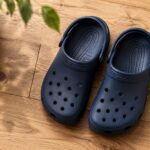
Podiatrists advise seniors to avoid flat shoes with little or no support, smooth or worn-out soles that offer no traction, and high heels. Backless slippers and sandals are another hazard, since without a secure heel they can slip off and cause instability. Floppy slip-ons that do not stay on the foot are equally risky. Shoes that are too loose invite tripping, while shoes that are too tight can cause pressure sores, especially dangerous for those with diabetes. When shoes wear out, replacing them promptly restores lost grip and support, a topic we cover in our guide on how often to replace your shoes.
Getting the Fit Right
Even the most supportive shoe only helps if it fits properly. A good fit is the foundation of both comfort and safety. A few simple habits get it right.
Aim for about a thumb’s width of space between the longest toe and the end of the shoe, with a snug but not tight fit and a heel that does not slip. Because feet swell during the day, it is best to shop in the afternoon, and to have both feet measured, since sizes can change with age. Many seniors benefit from wide widths. It is also worth noting that walking shoes, with their stability and support, are generally a better choice than running shoes for older adults. These fit principles echo our broader guide on how to choose healthy shoes.
Do Not Forget Conditions Like Diabetes and Arthritis
Many older adults live with foot-affecting health conditions, and these change the footwear priorities. Matching the shoe to the condition adds an extra layer of protection. It is worth a little tailoring.
For seniors with diabetes or neuropathy, features like extra depth, seamless interiors, and a wide toe box are essential to prevent pressure and unnoticed injuries, which is exactly what purpose-built diabetic shoes provide, as we explain in our guide on diabetic shoes and Medicare coverage. For those with arthritis or thinning heel pads, extra cushioning and a gentle rocker help. And for people with flat feet or ankle rolling, a stability shoe with a firm heel counter and supportive structure is ideal. When in doubt, a podiatrist can match features to the individual.
Shoes Are Only Part of Fall Prevention
Finally, an honest and important reminder. As valuable as good shoes are, they are one piece of a larger safety picture. Preventing falls takes a broader approach. Everything works together.
The right footwear works best alongside other proven measures, such as balance and strength exercises, which you can support with the ideas in our guide on strength training and why it matters. Regular vision checks, a review of medications that may affect balance, removing trip hazards at home, and consistent foot care all play a role too. It is wise to see a podiatrist if balance problems persist, if there has been more than one fall in six months, or if diabetes affects foot sensation. Shoes are a powerful start, not the whole answer.
The Bottom Line
The best walking shoes for seniors are the ones that keep you steady, comfortable, and confident on your feet. Prioritize a slip-resistant sole, a firm heel counter, a wide stable base, a secure closure, and a snug heel with a roomy toe box, all matched to any health conditions.
Avoid flat, worn-out, or floppy shoes, get the fit right, and replace footwear when it wears down. Remember too that good shoes are one part of a wider fall-prevention plan that includes exercise, home safety, and regular check-ups. With the right pair on your feet, walking can stay a safe, steady, and enjoyable part of life for many years to come.